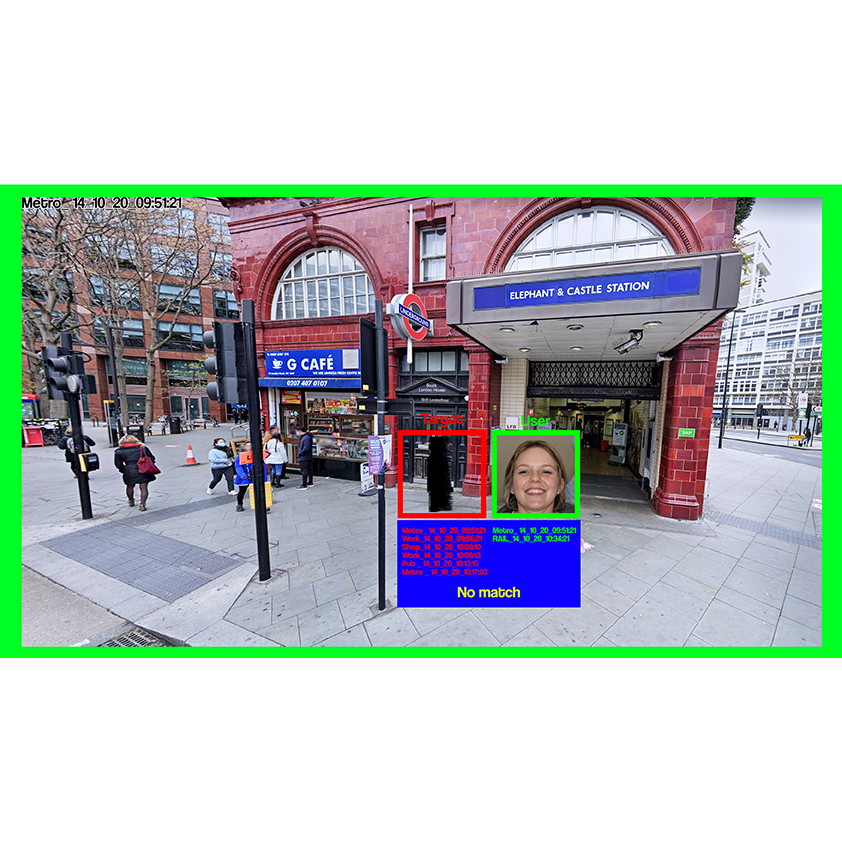
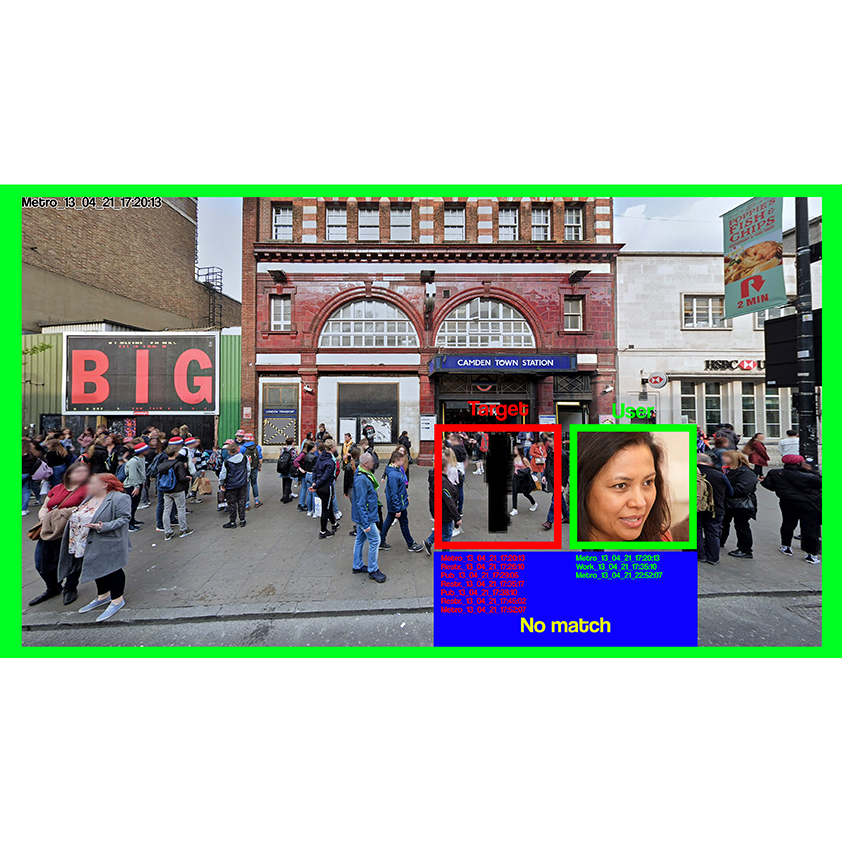
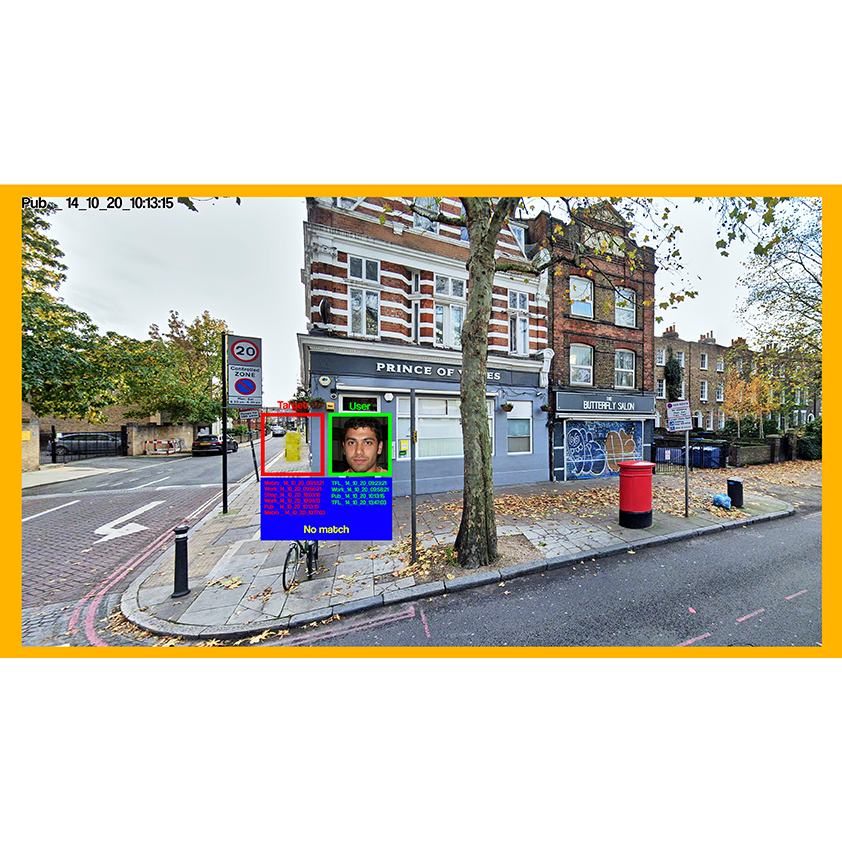
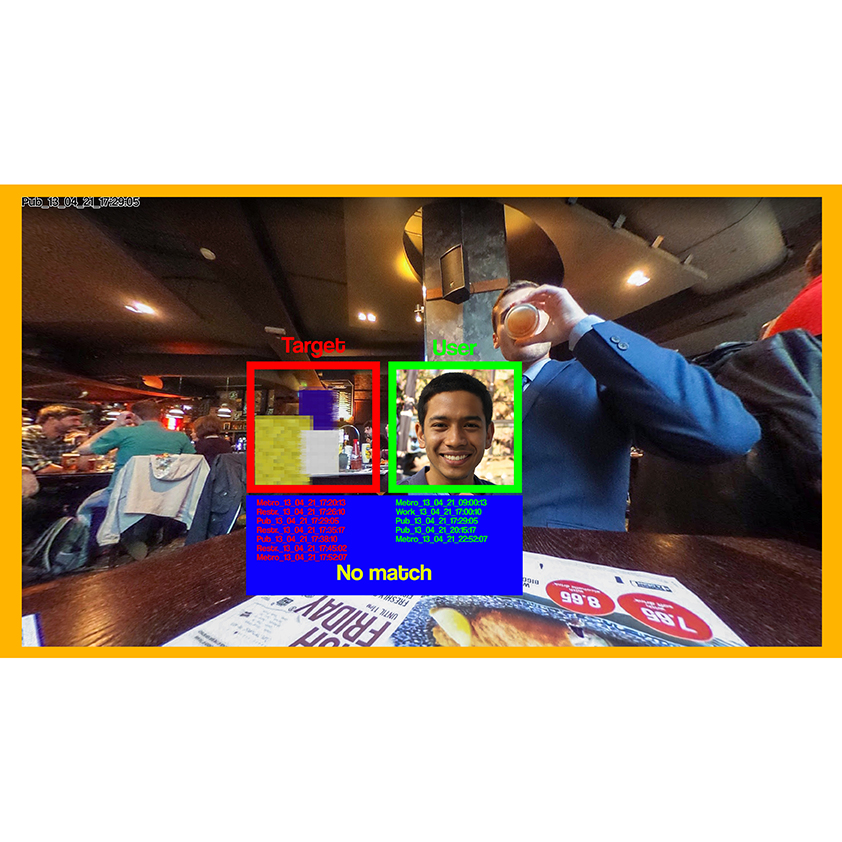
In search of fake people (Displayed in Copeland gallery, 2021)
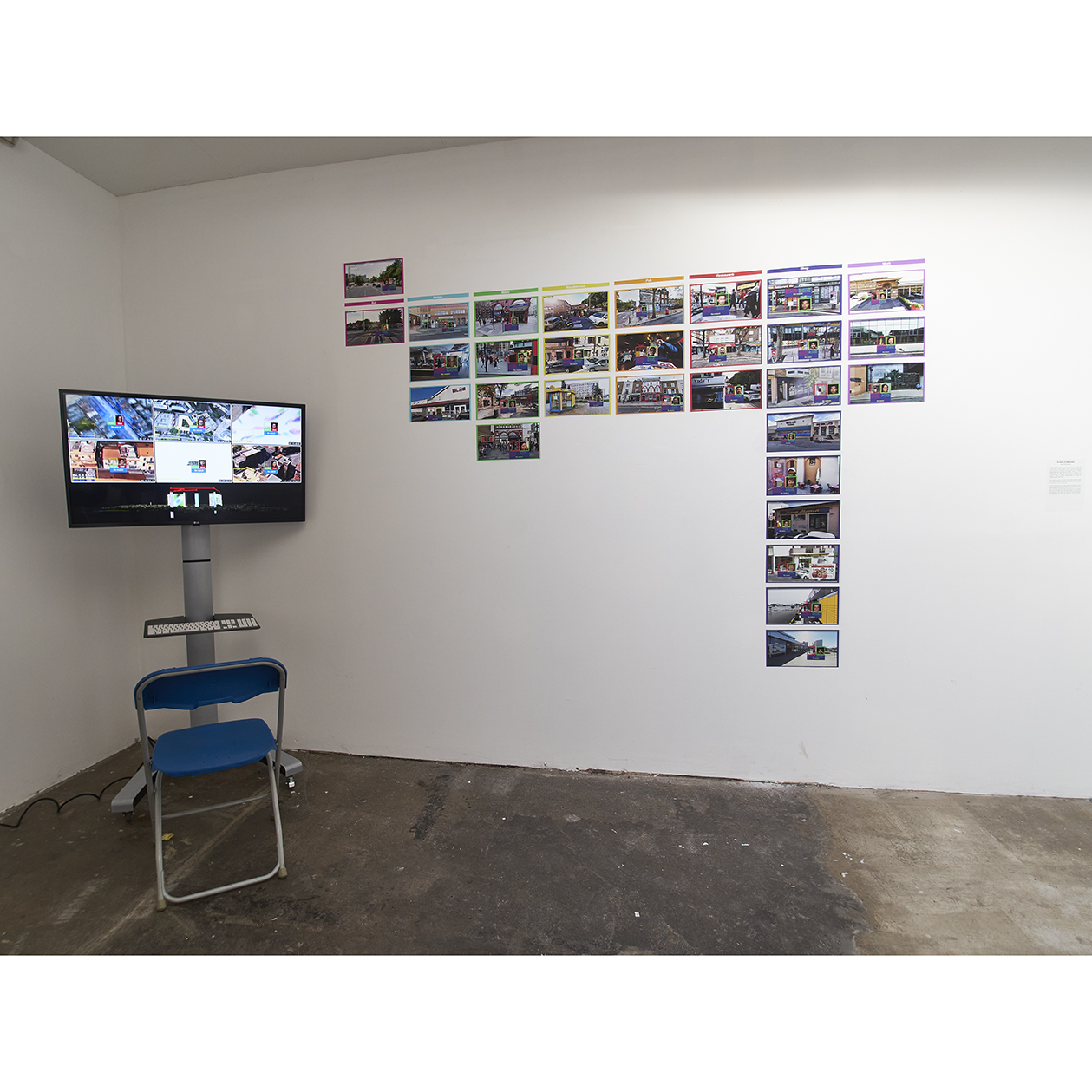
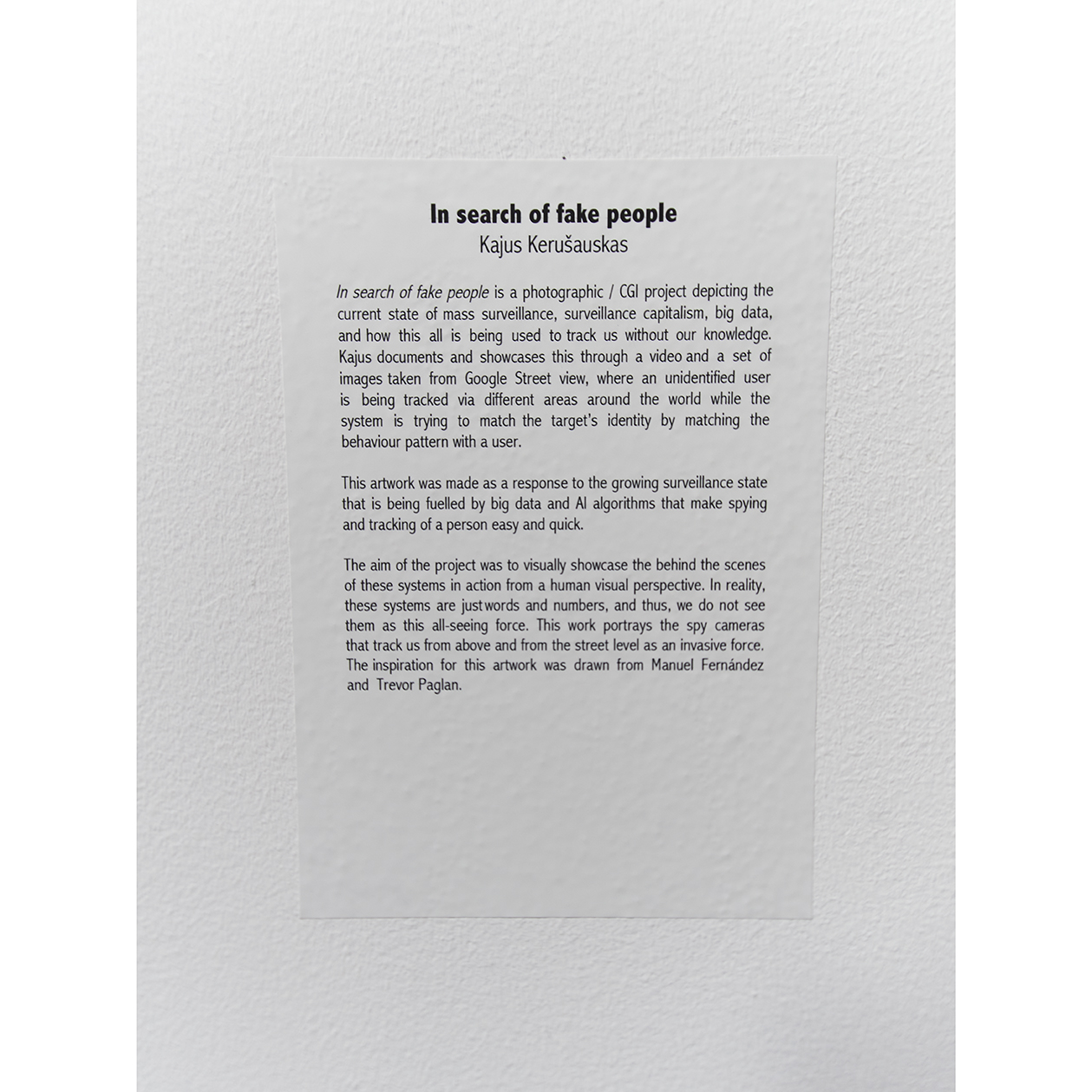
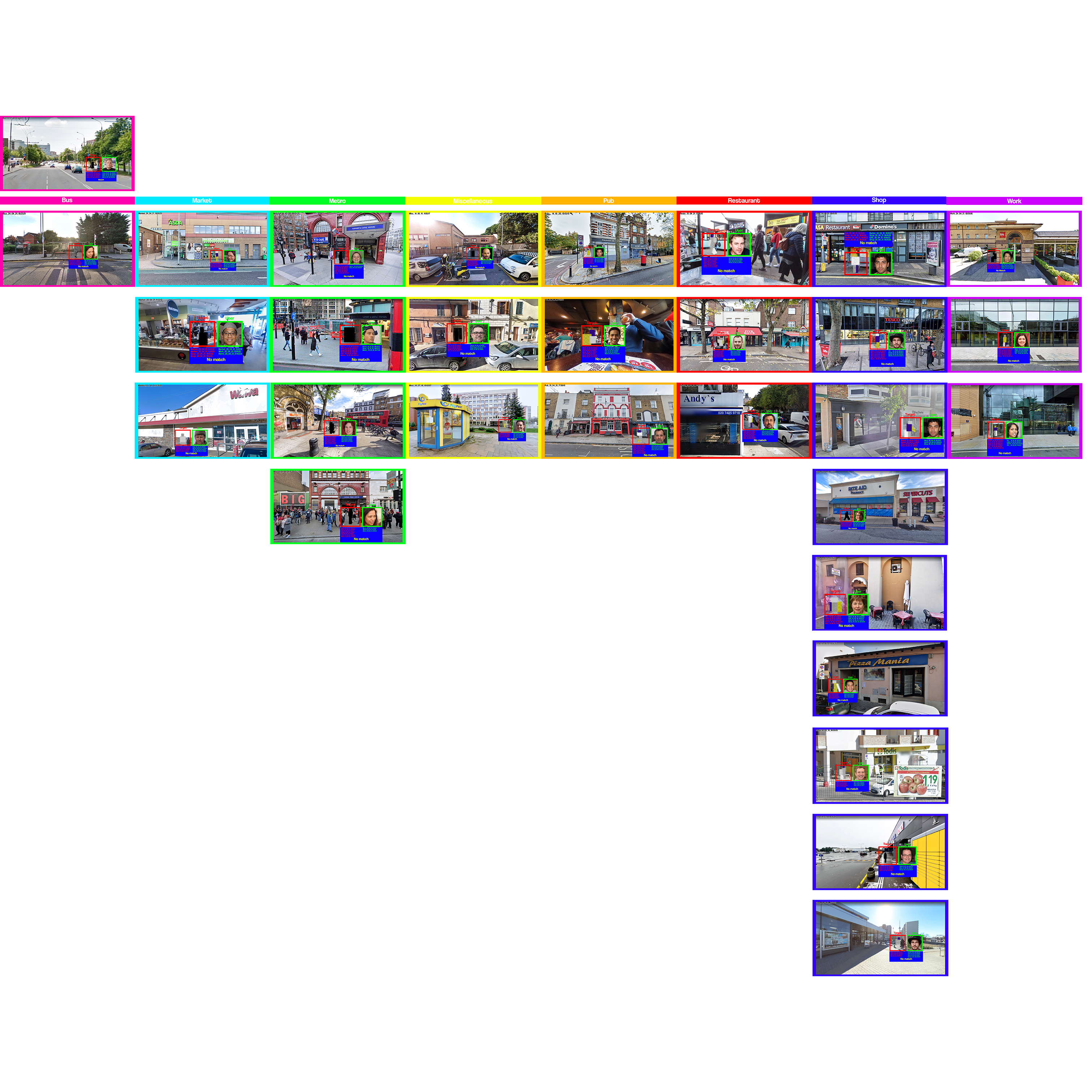
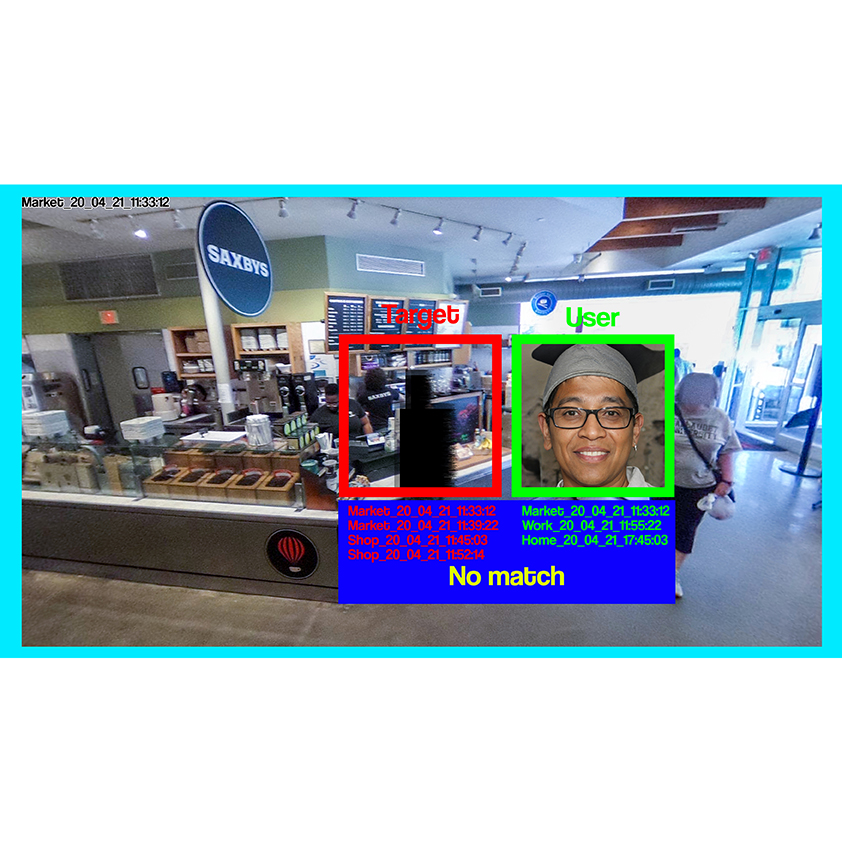
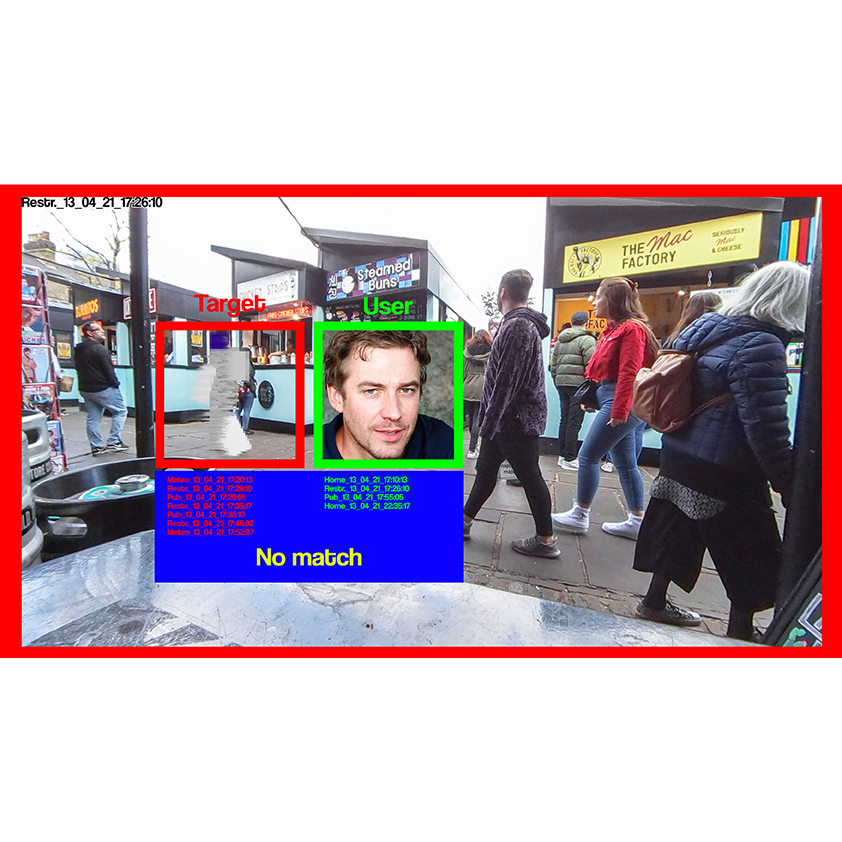
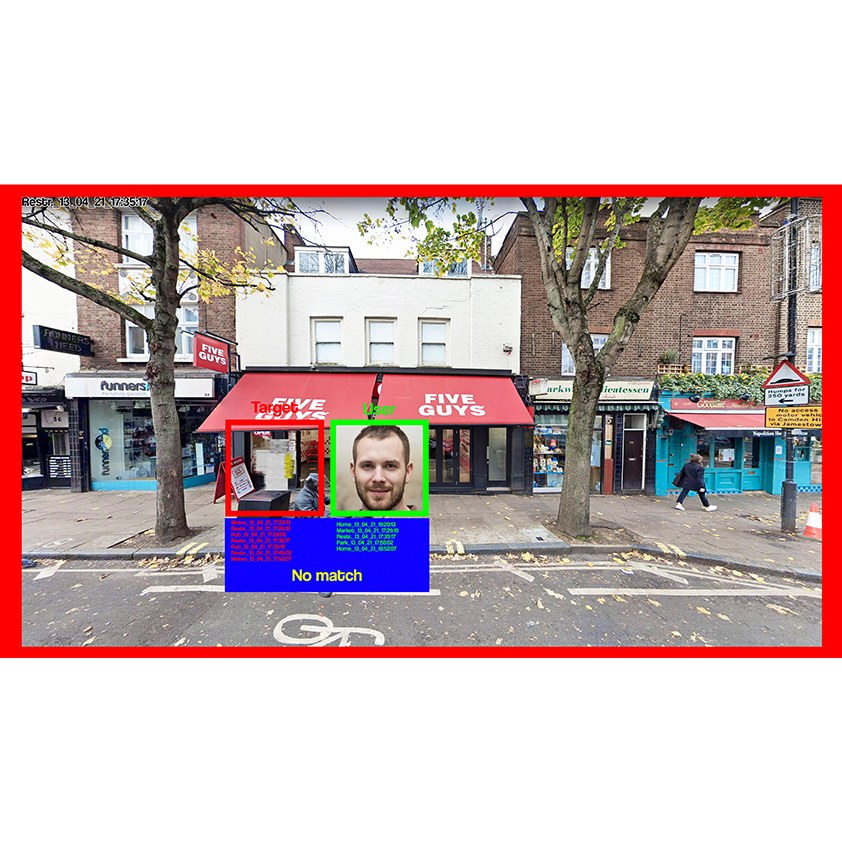
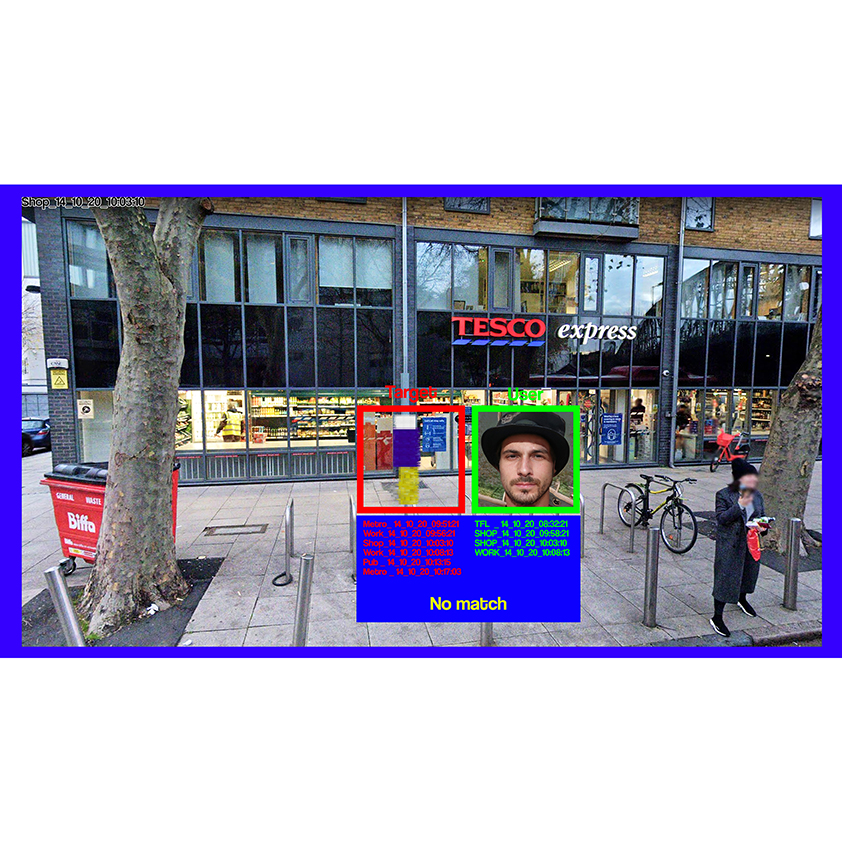
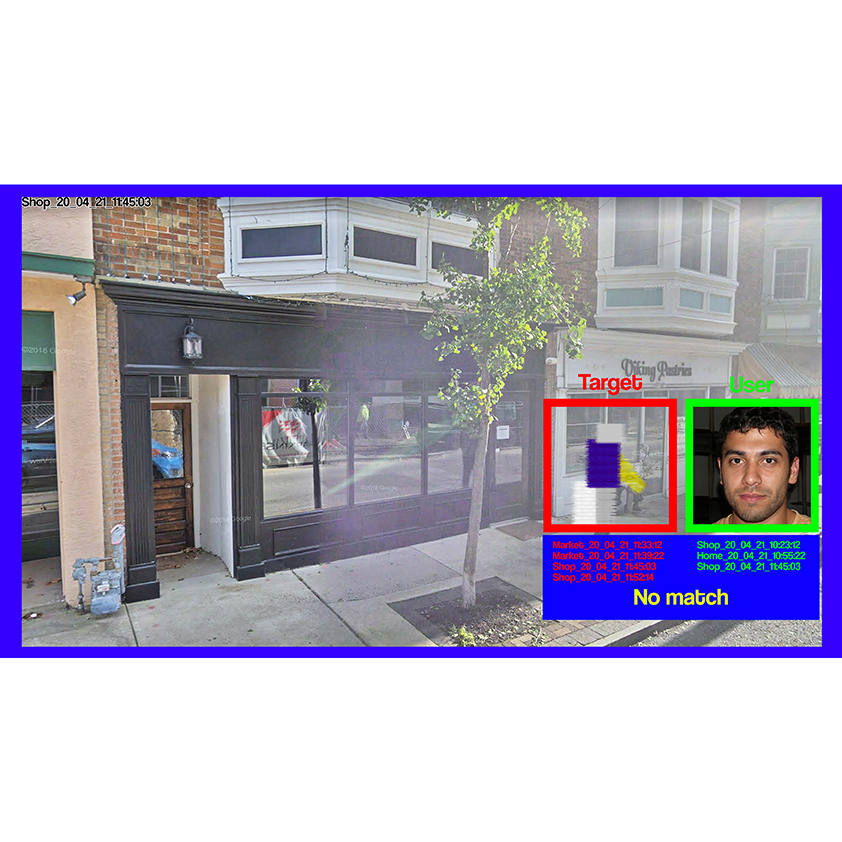
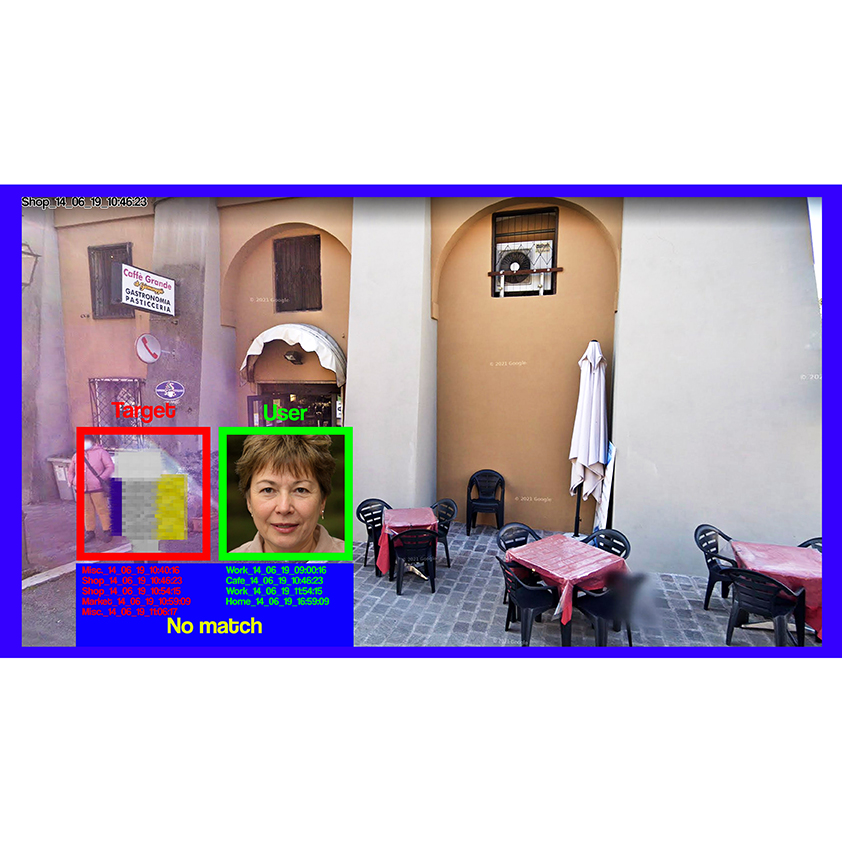
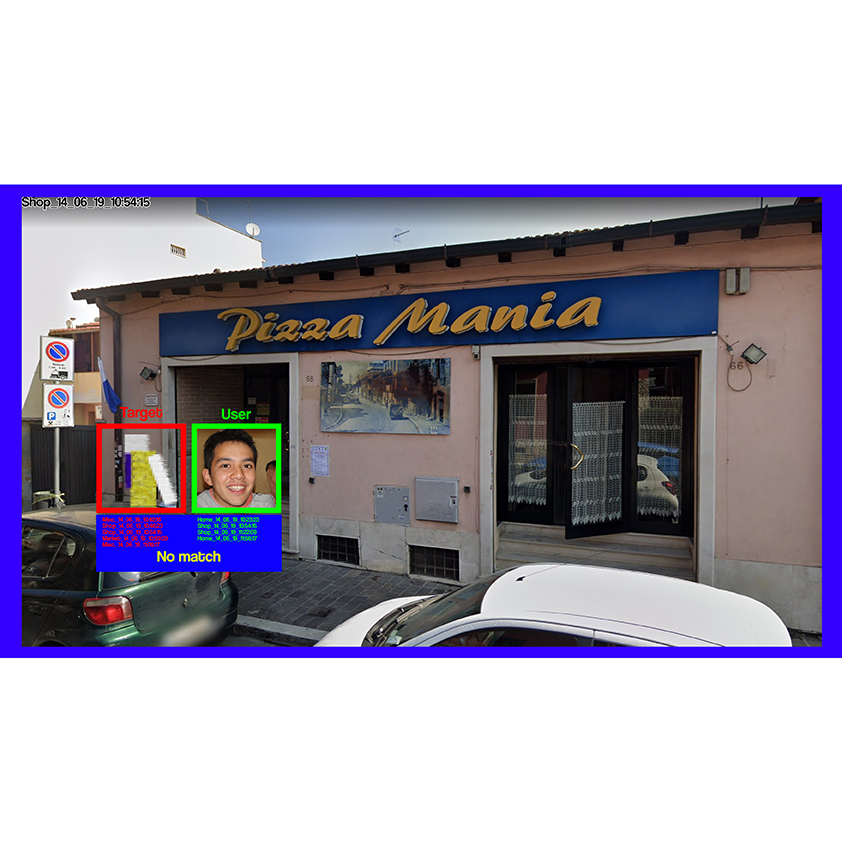
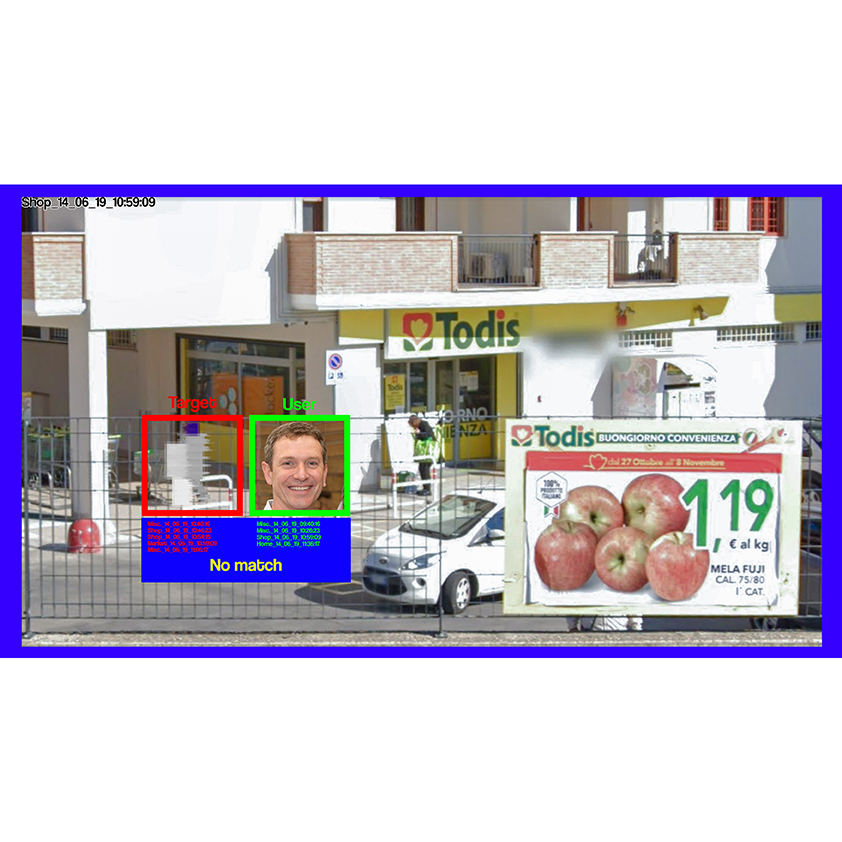
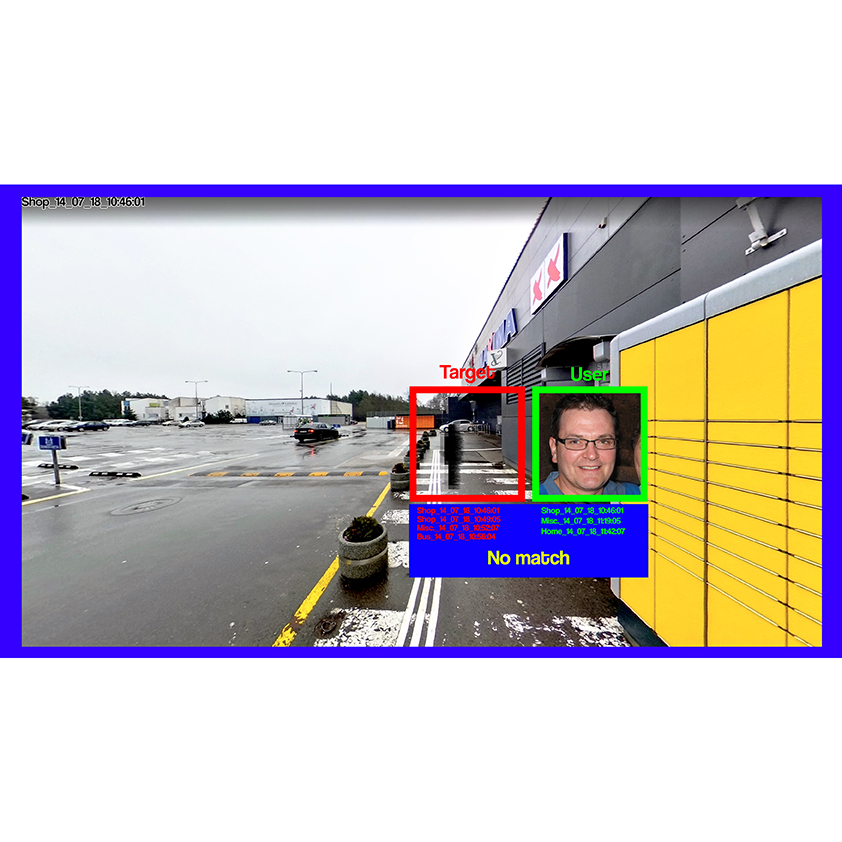
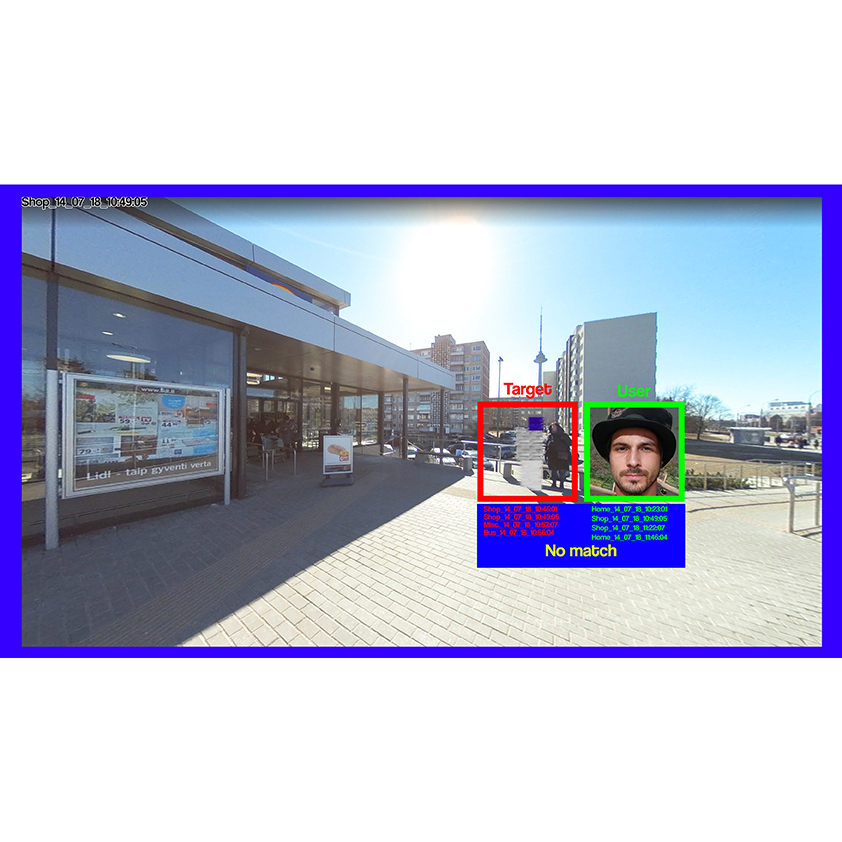
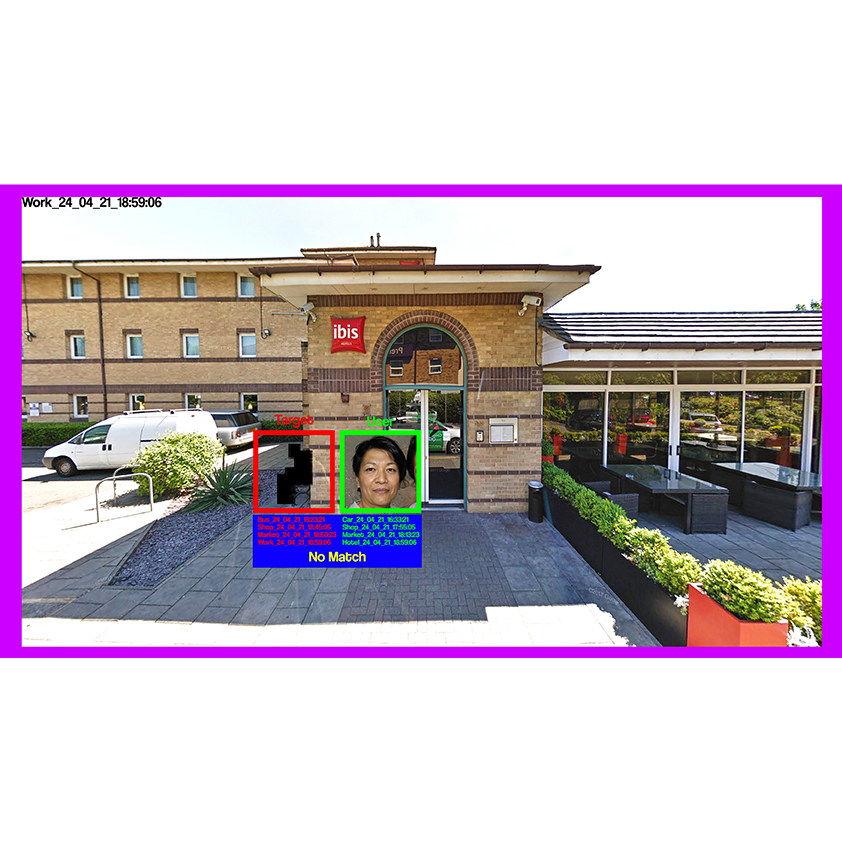
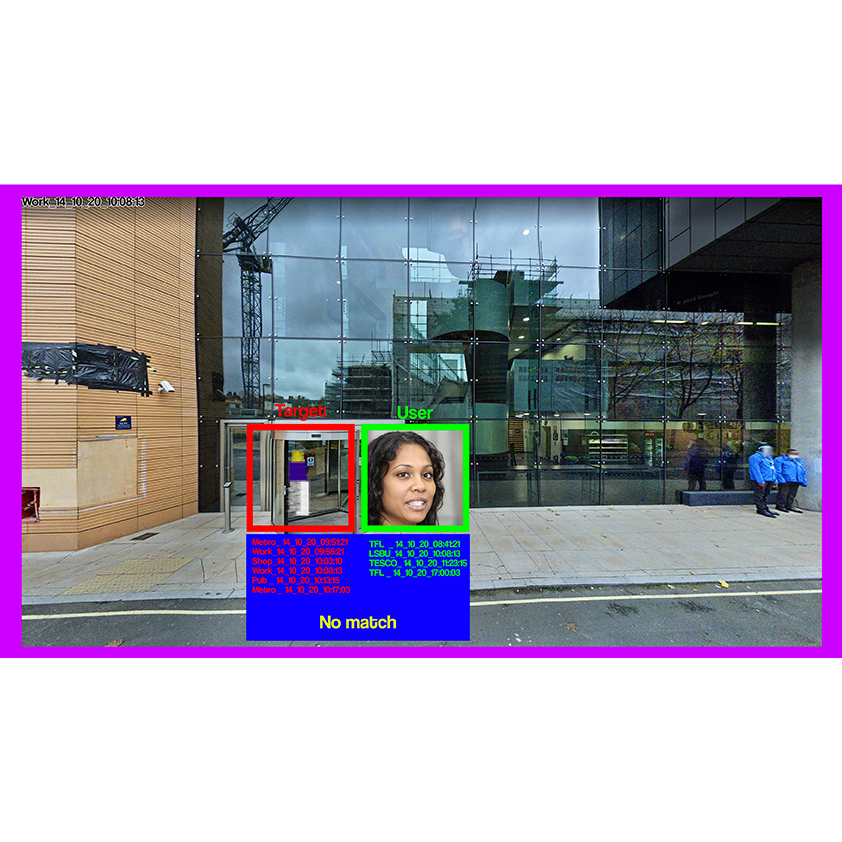
In search of fake people is a photographic / CGI project depicting the current state of mass surveillance, surveillance capitalism, big data, and how this all is being used to track us without our knowledge. Kajus documents and showcases this through a video and a set of images taken from Google Street view, where an unidentified user is being tracked via different areas around the world while the system is trying to match the target’s identity by matching the behaviour pattern with a user.
This artwork was made as a response to the growing surveillance state that is being fuelled by big data and AI algorithms that make spying and tracking of a person easy and quick.
The aim of the project was to visually showcase the behind the scenes of these systems in action from a human visual perspective. In reality, these systems are just words and numbers, and thus, we do not see them as this all-seeing force. This work portrays the spy cameras that track us from above and from the street level as an invasive force. The inspiration for this artwork was drawn from Manuel Fernández and Trevor Peglan.












“Digital quarantine zone” – a personal project about lost public spaces during Covid – 19 lockdown.

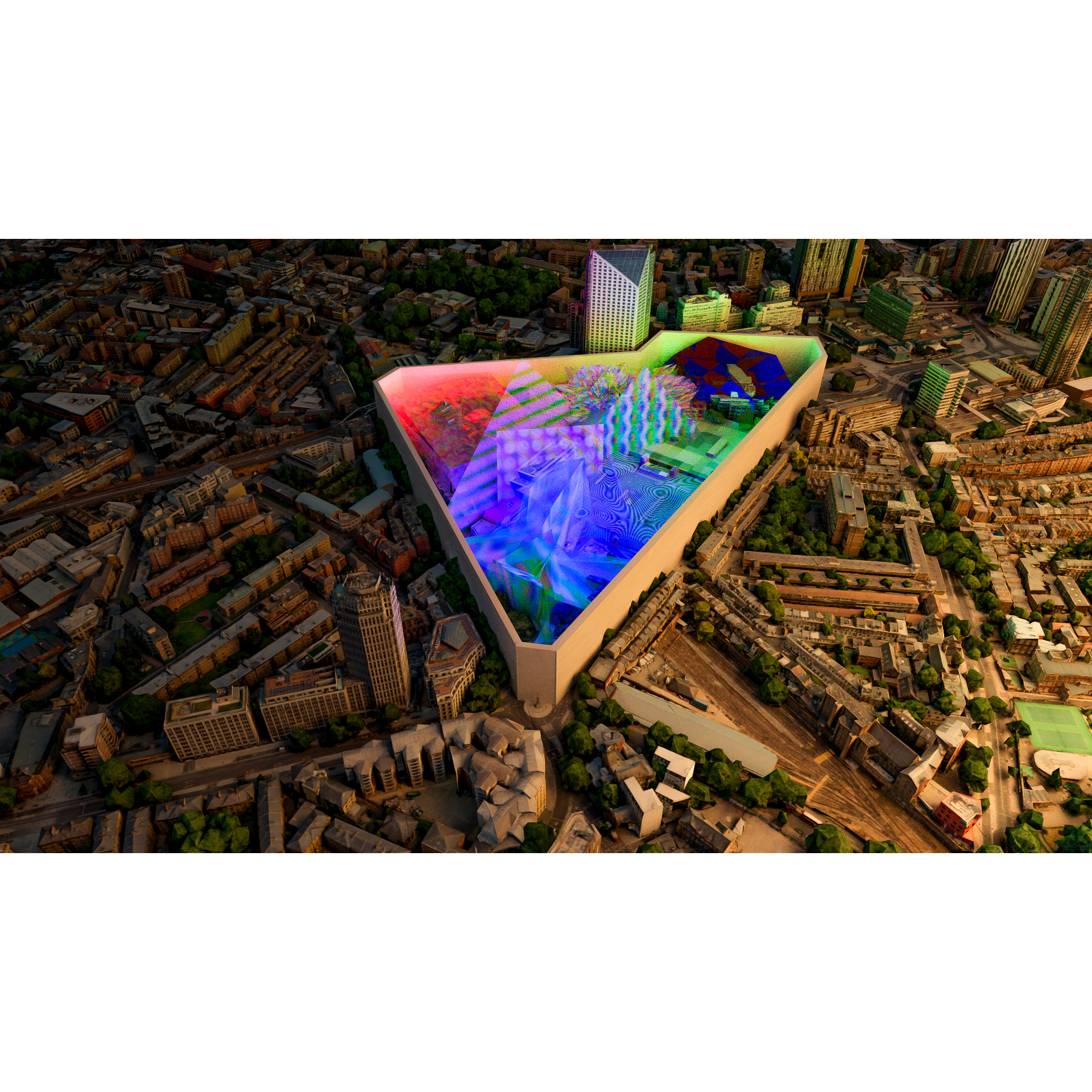
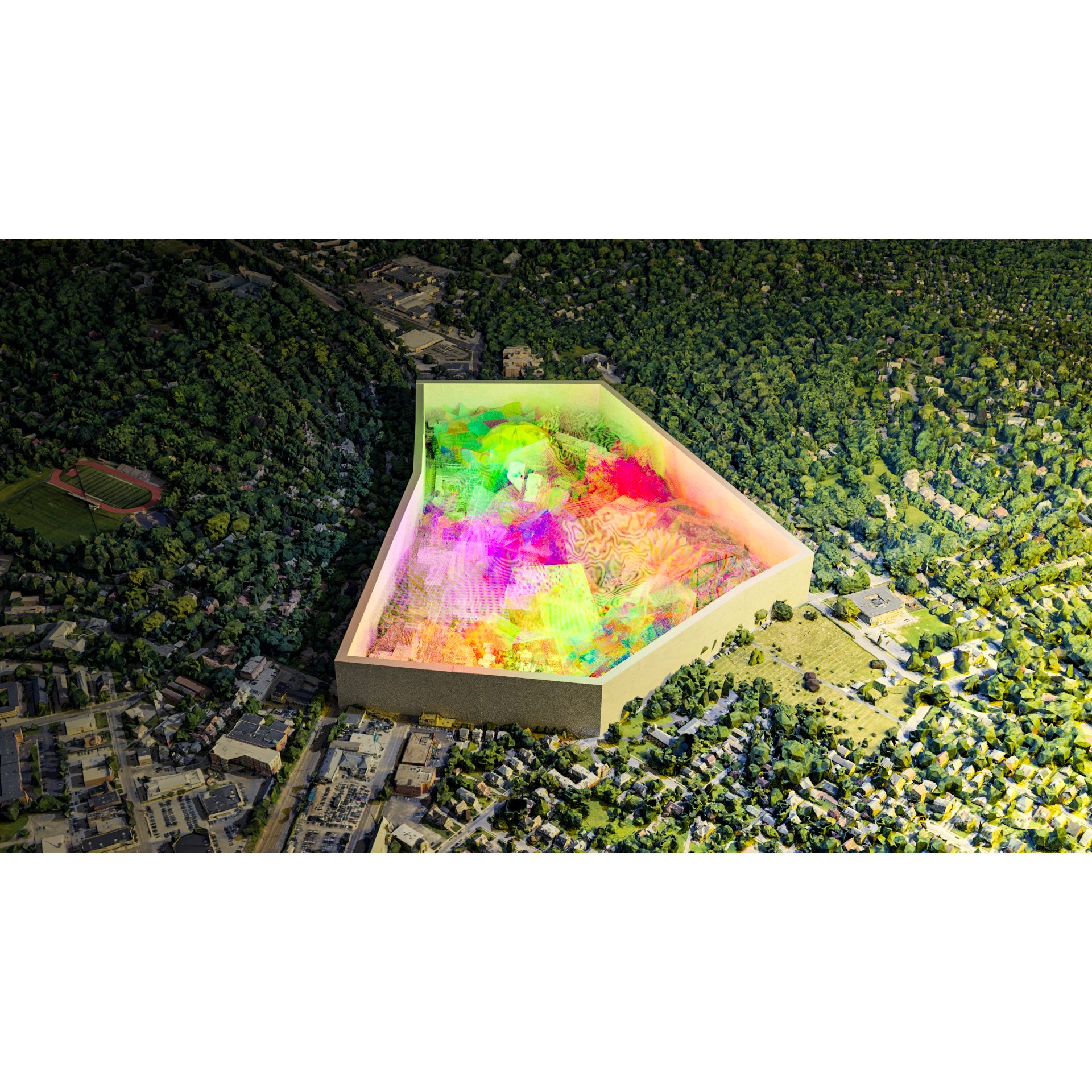
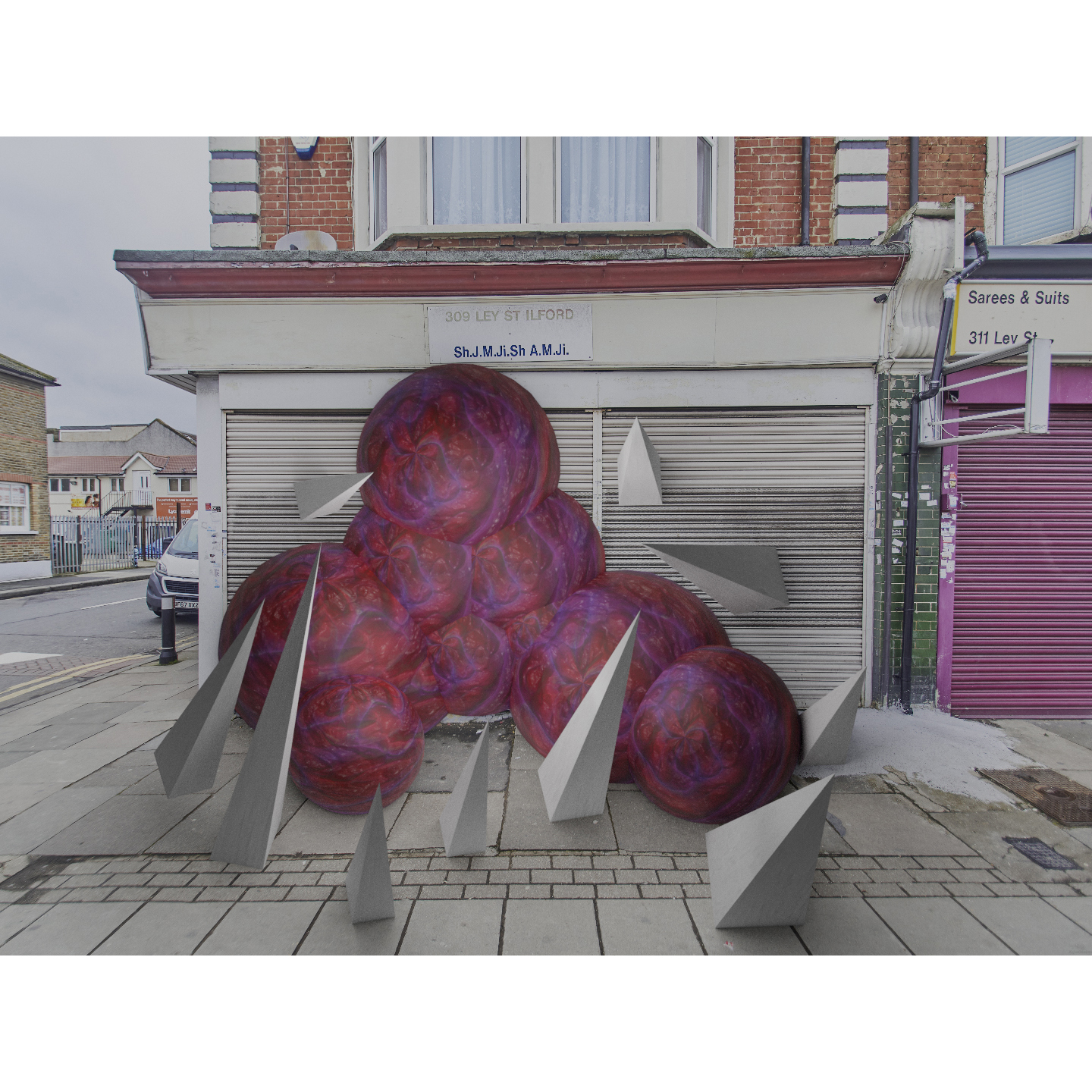
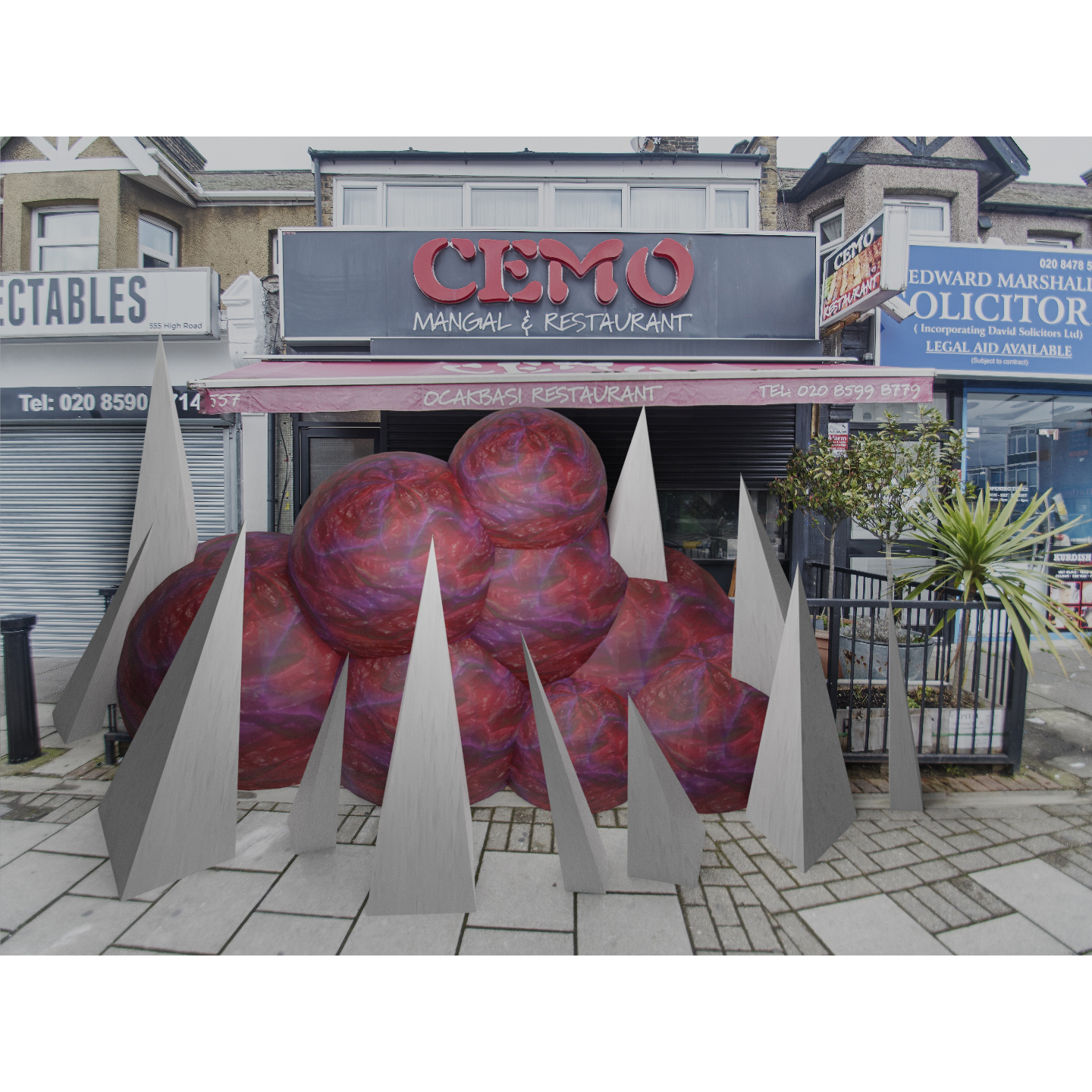
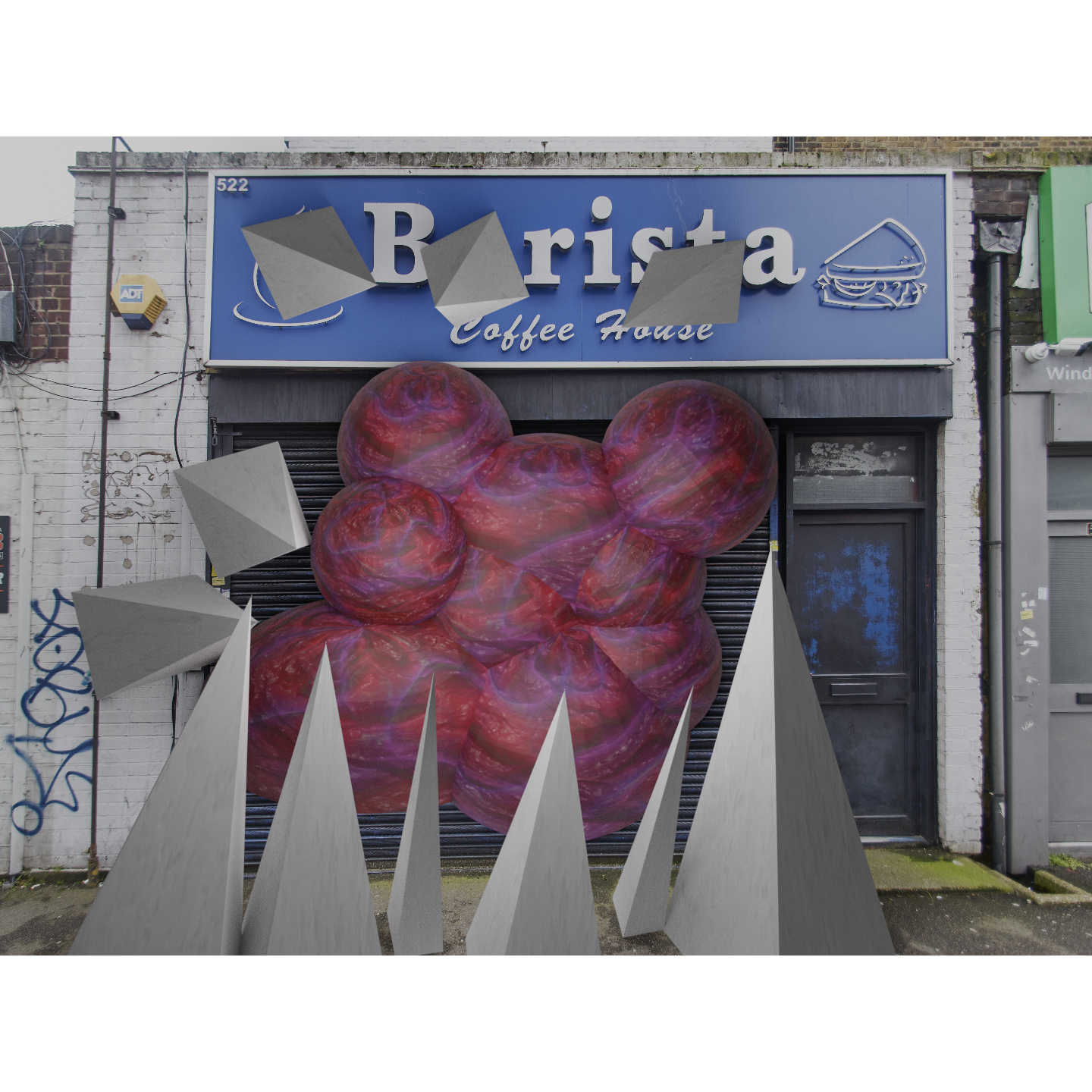
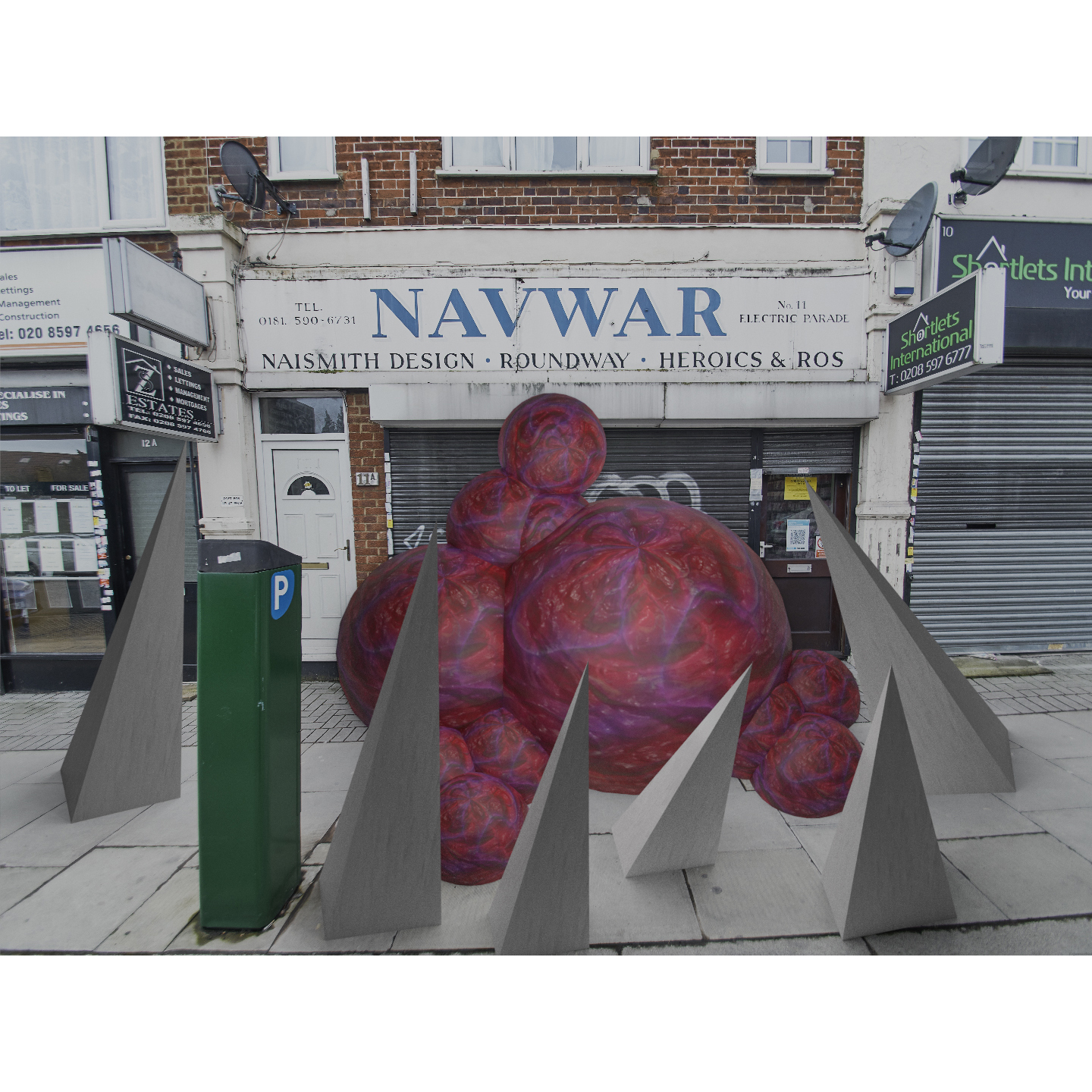
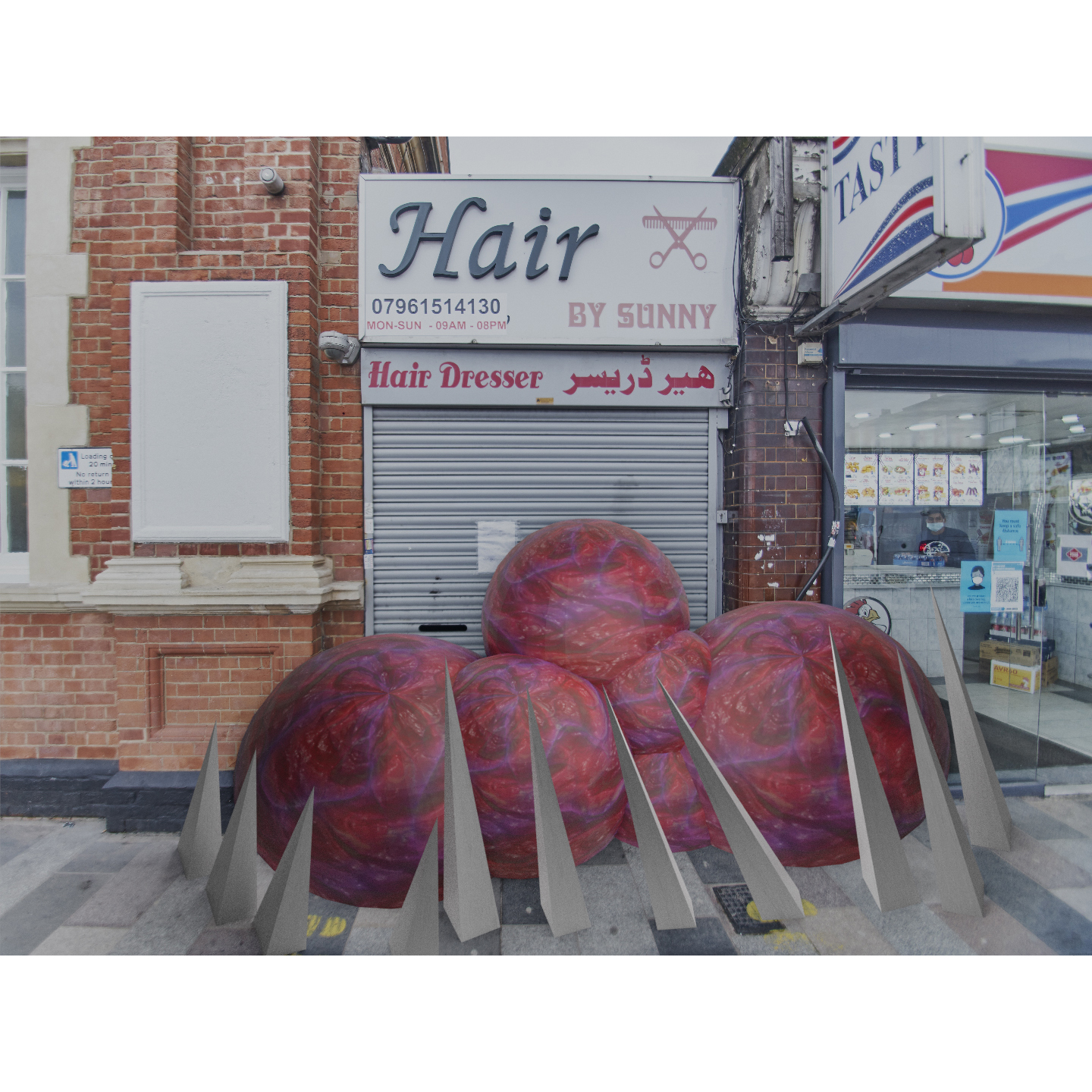
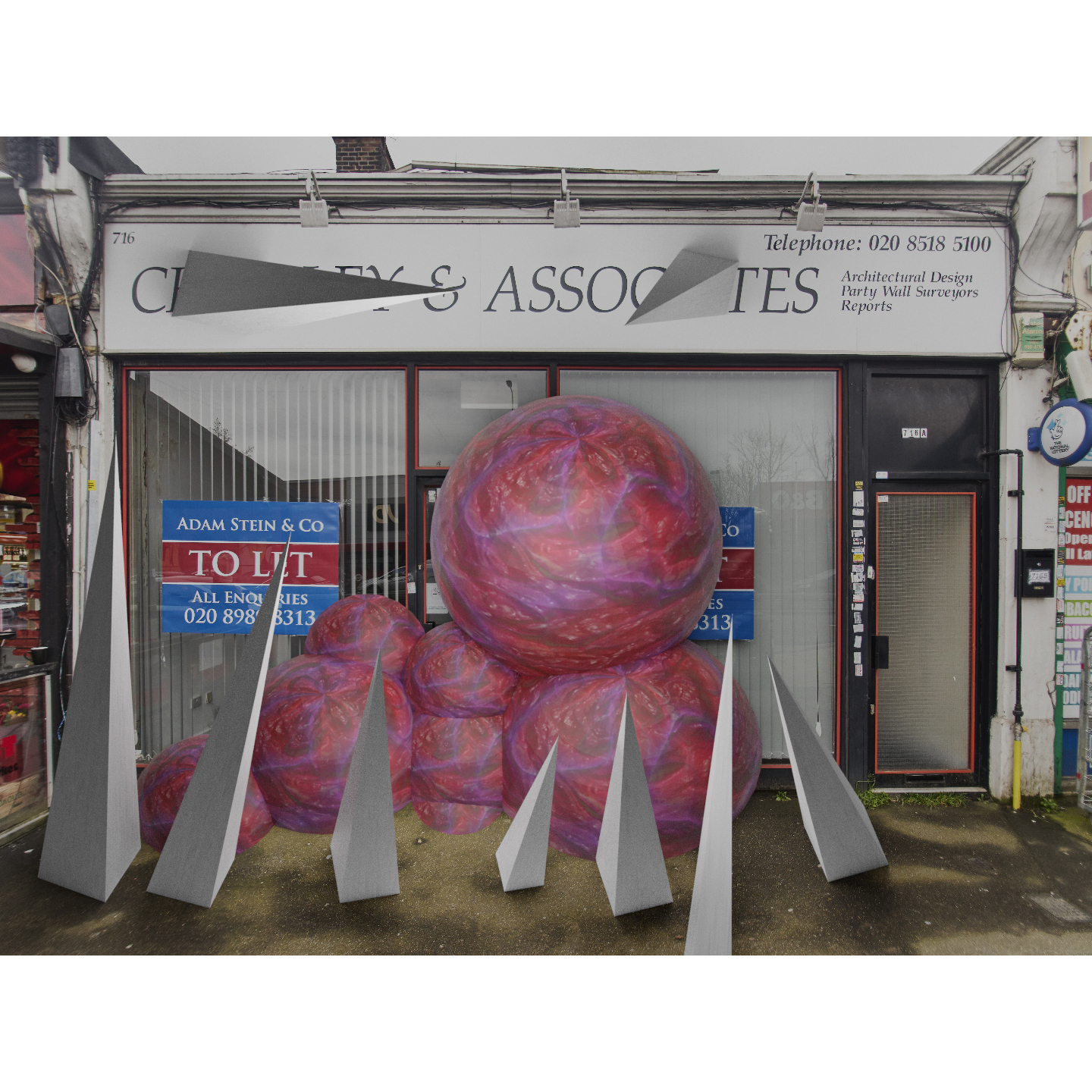
“At what cost?” is a photographic CGI project and commentary about the government’s half-hearted approach when it came to helping small businesses during lockdowns. The artist photographs closed businesses in his area and uses CGI software to create these abstract Lovecraftian landscapes where the businesses have been taken over by a monstrous organic blob and the only thing the blob from spreading are the abstract minimal pyramids.
This artwork was made as a response to the economic impact of Covid on small businesses, local communities, and people’s income. The overall vision of the artwork was to showcase abandoned business that could not survive the economic crisis caused by the pandemic and to illustrate the impact with images that depicts the virus as this massive monster that has ravaged through the community. The sharp pyramids serve as a cage for the organic blob and as markers to the viewer that the blob is dangerous and should not be approached, similar technique was developed by the US government to mark nuclear waste sites, so that future humans would not approach them. Artwork was inspired by Christo and Jeanne Claude, Jóhann Jóhannsson, Katsuhiro Otomo, Daniel Thiger.



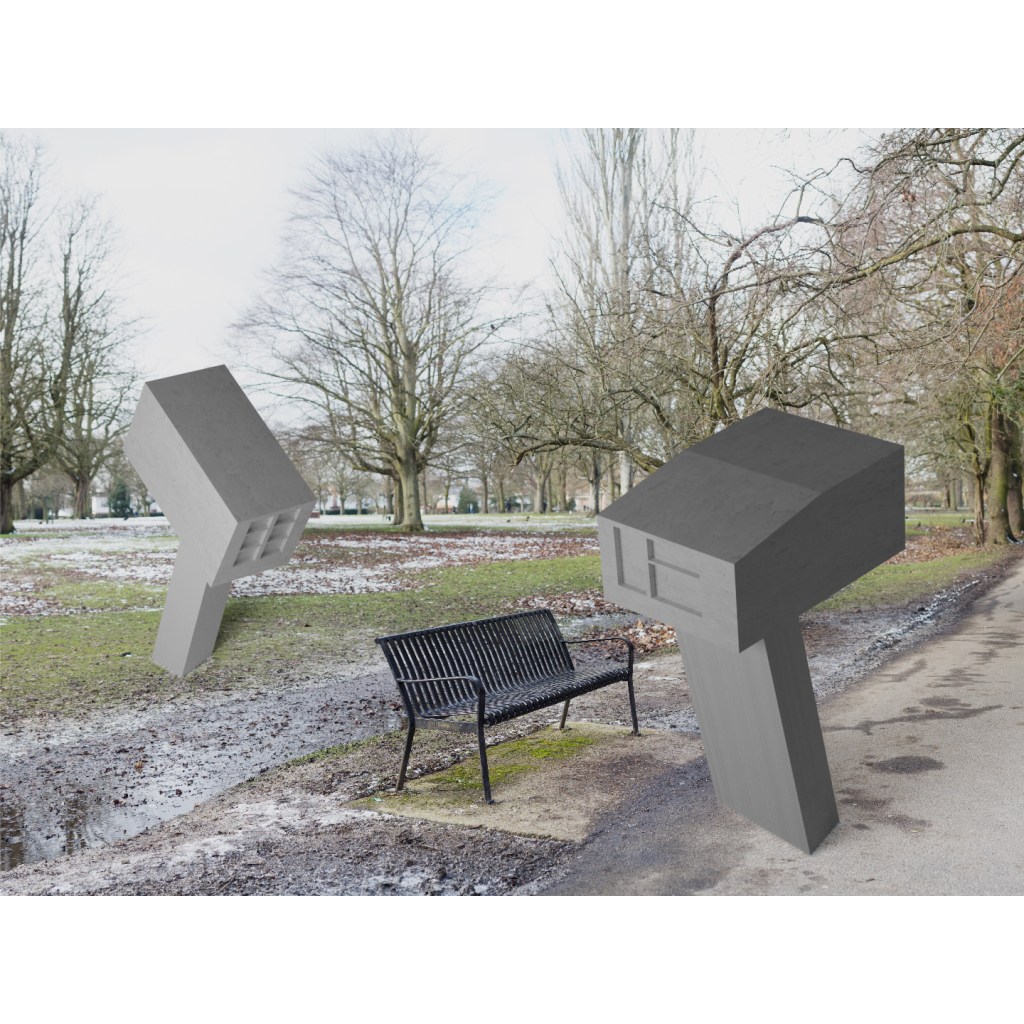
“Watching” (2020) – testing and playing around with the software blender.
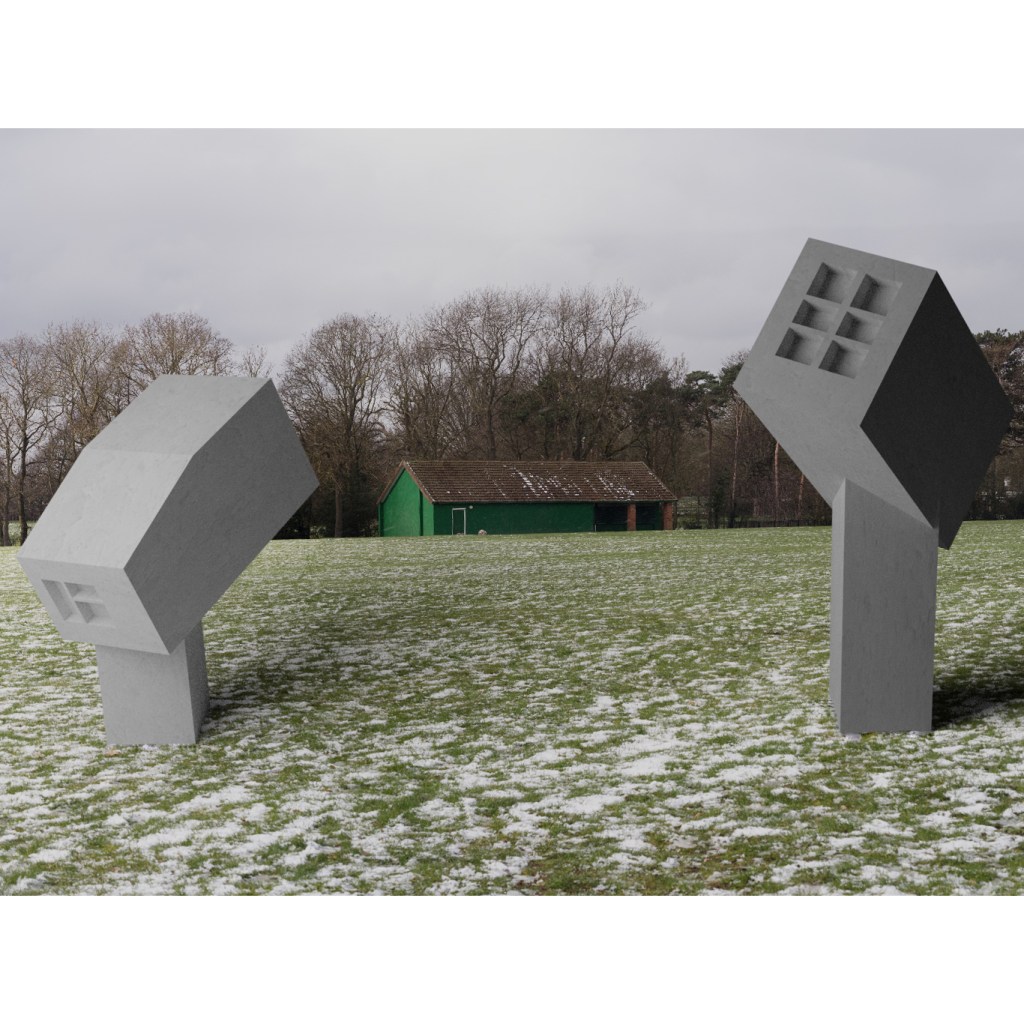

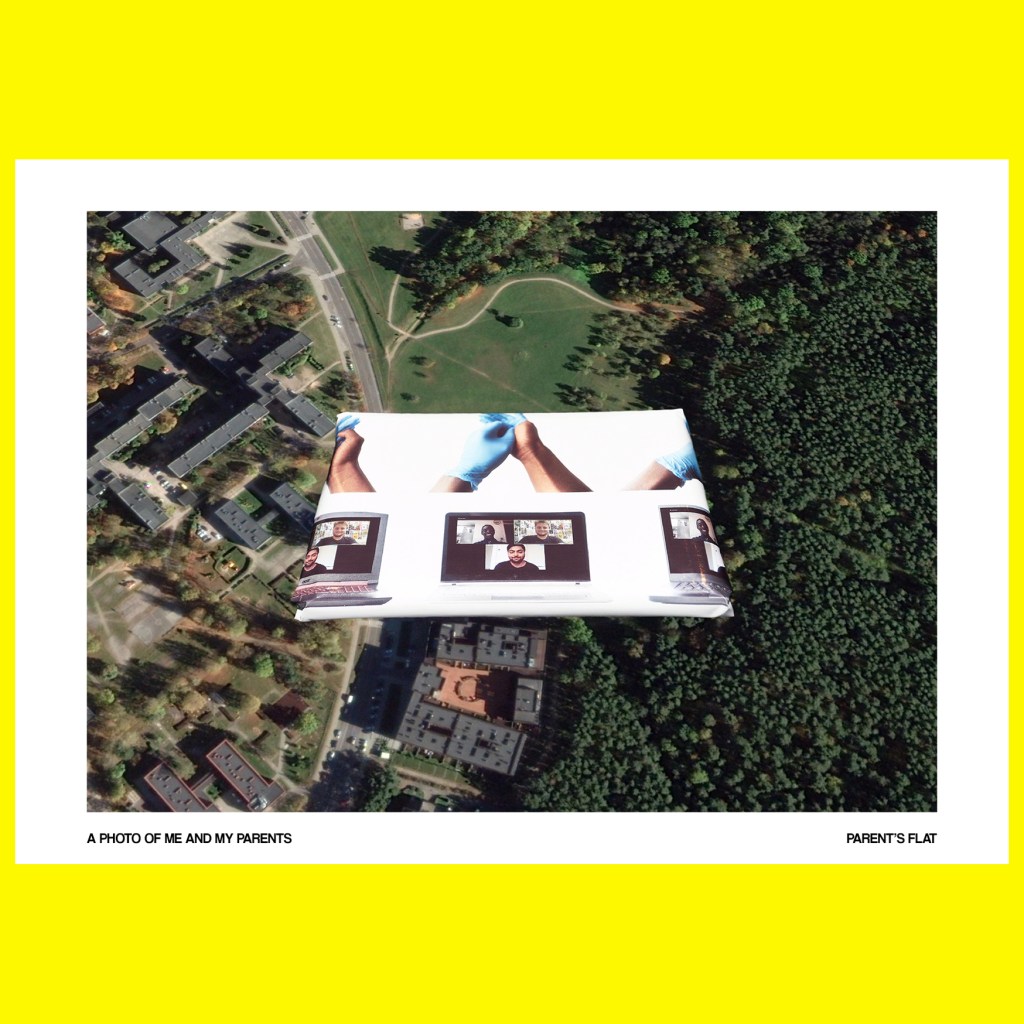
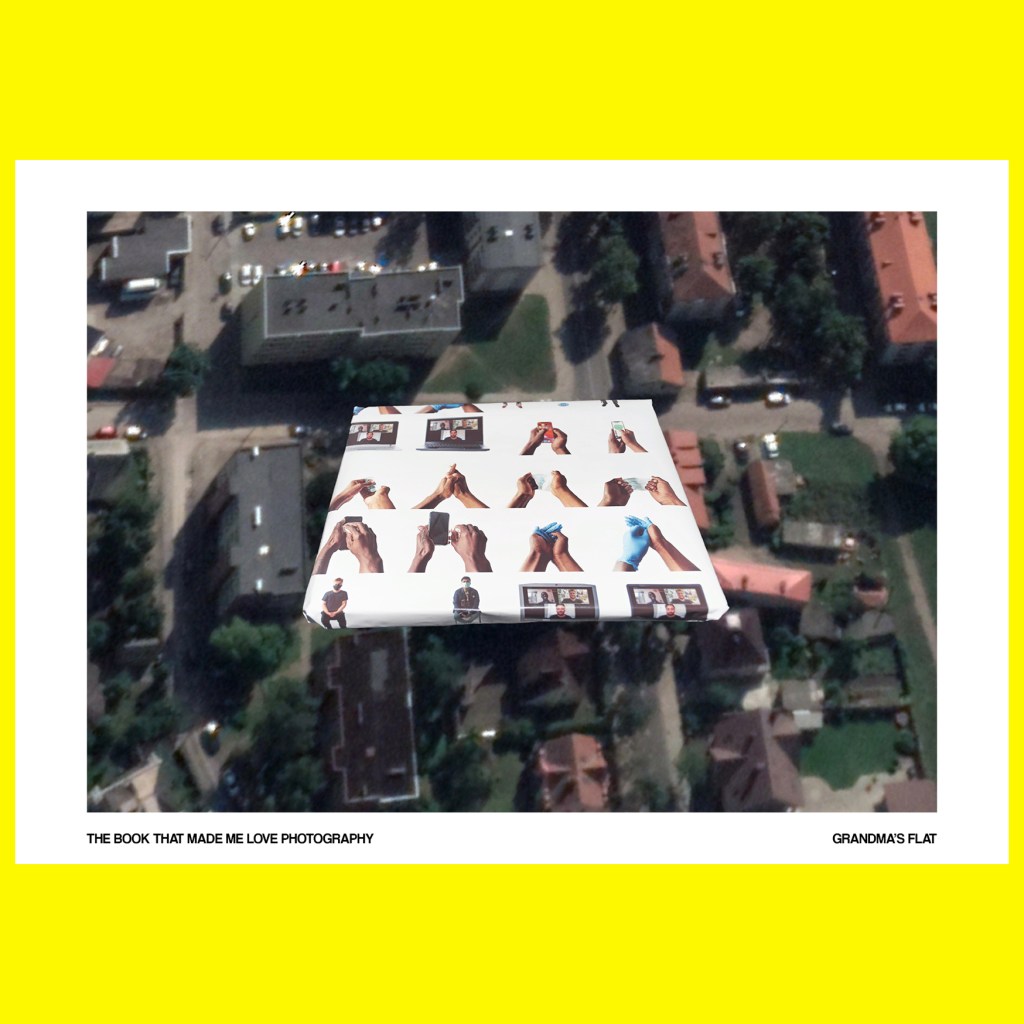
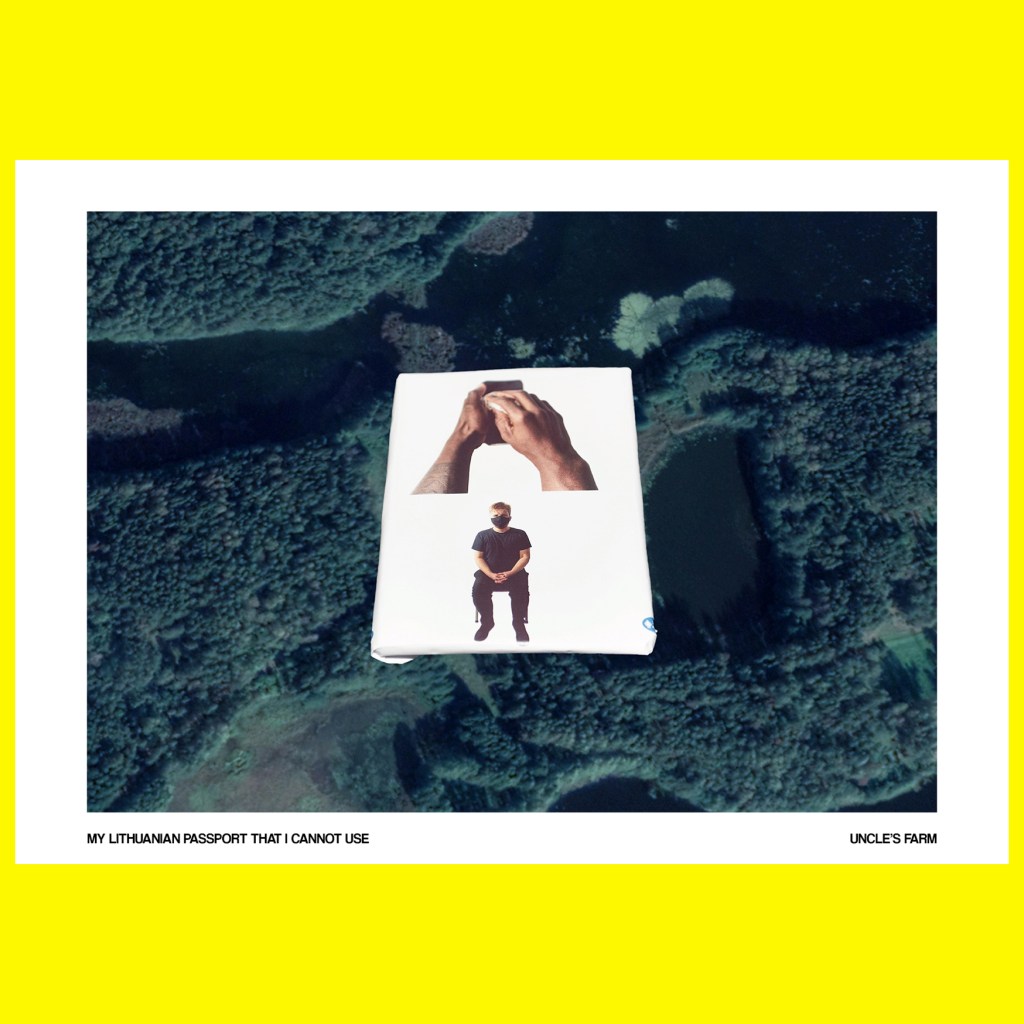
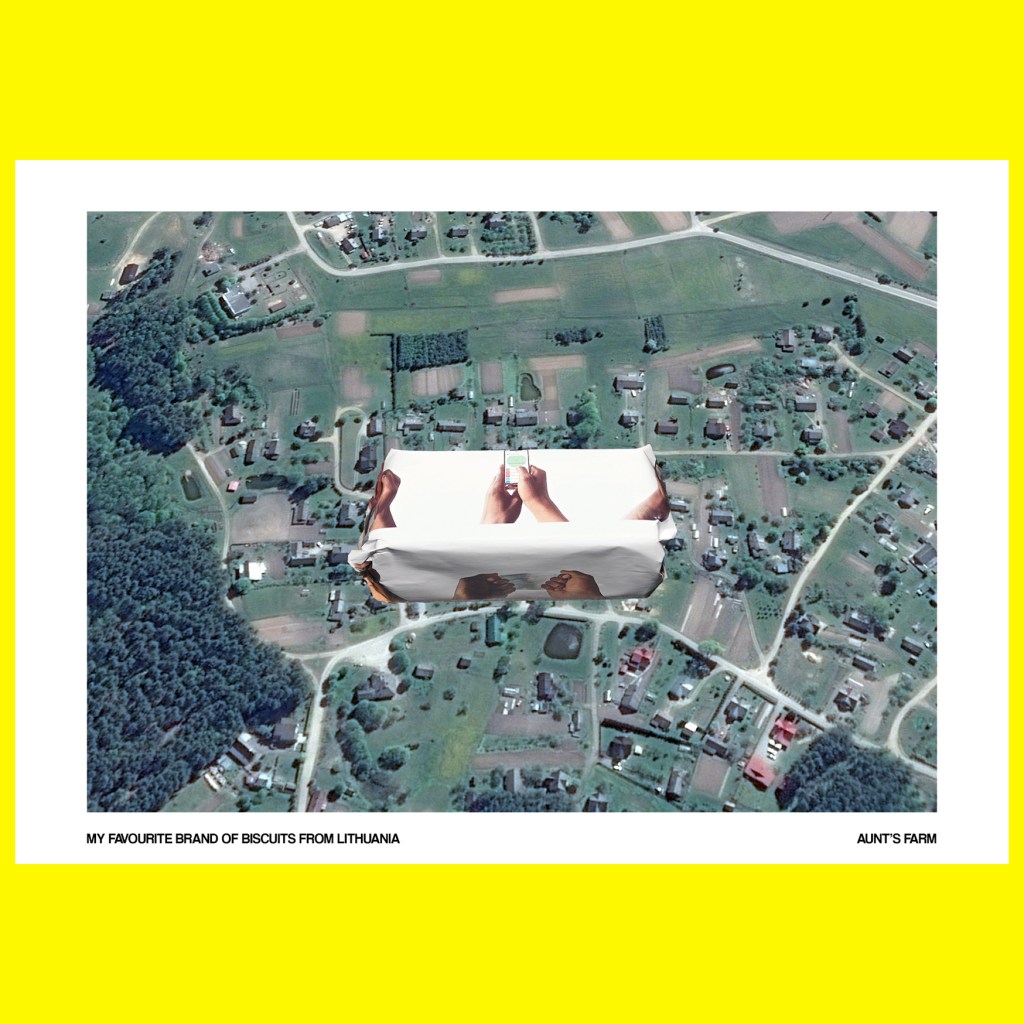
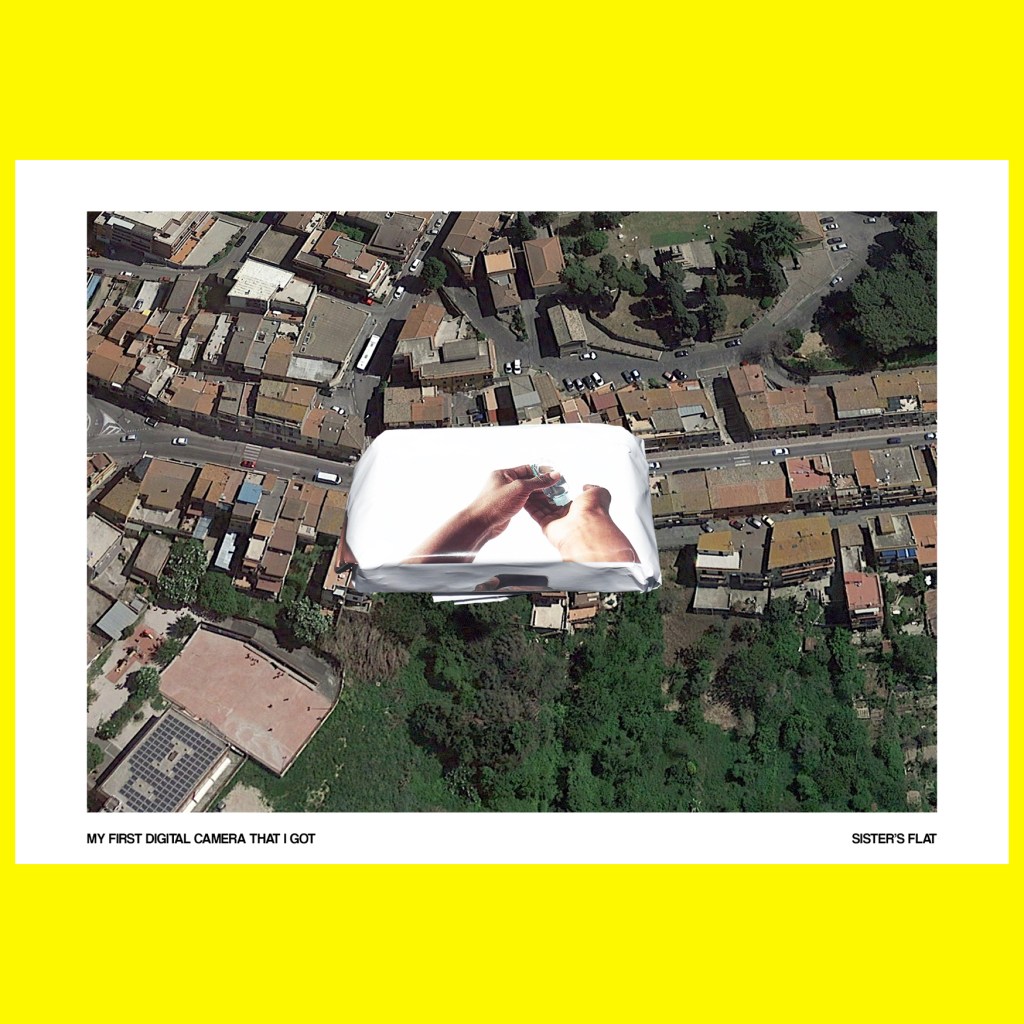
“Locked out landscapes of home” is a personal project about the authors want to go back home and see his family, but which is not possible due to travel restrictions and outbreak of Covid – 19. This work explores objects and places which the author associates with home and how these places, objects have been wrapped up and locked out by rituals, actions that help us to stay safe during the pandemic, but also limit or outright ban travel back home or our physical interactions with our loved ones.
This artwork was created in a response of the author’s frustration of not being able to travel back home and to see his family and friends. The overall vision of this project was to photograph objects that remind him of home: family photo, passport, blanket and more. All these objects were then wrapped in rituals, actions that represented our current situation. The objects were placed on Google Earth on top of places that the author calls home: parents flat in Vilnius, Grandparents farm in Southern Lithuania, Sister’s flat in Rome, and more. The placed objects censor out these places the same way a government would censor out a military bases on Google Earth. Every photo is accompanied by a message and a name for a place. These messages vary from image to image and generally explain the objects in frame and their relationship with the author. The work was inspired by Christo and Jeanne Claude, Rachel Whiteread, Mishka Henner and Jim Sanborn.


Occupying cranes (London, 2020)
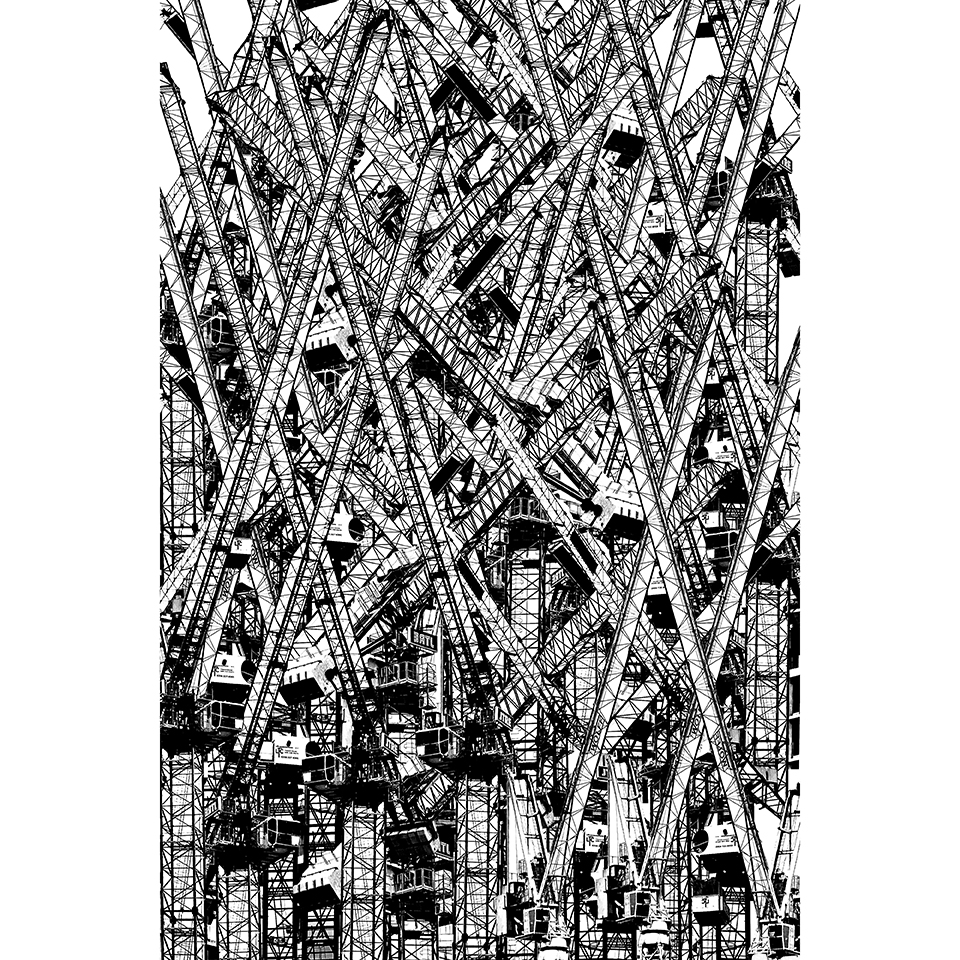
The work comments on the housing problem in London and how most of these constructions are nothing more then a real estate investment for rich foreigners, while leaving Londoners without affordable housing.
“Cheap goods” is a photo book project that comments on commercialism and how we mismanage resources. (London, 2020)




Chinese goods (photographed in Albufeira, 2019)
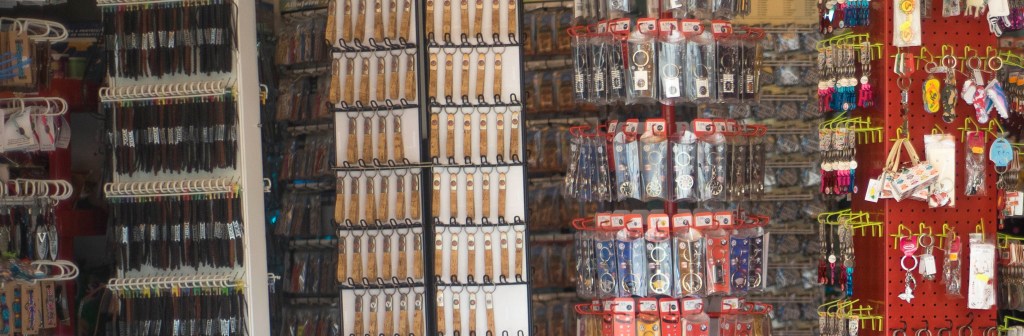

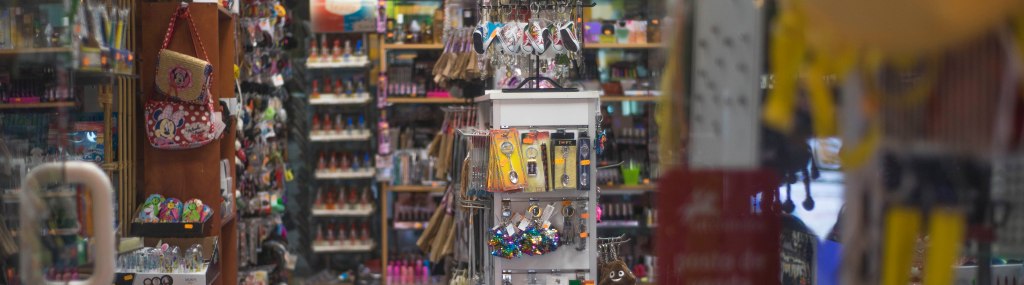
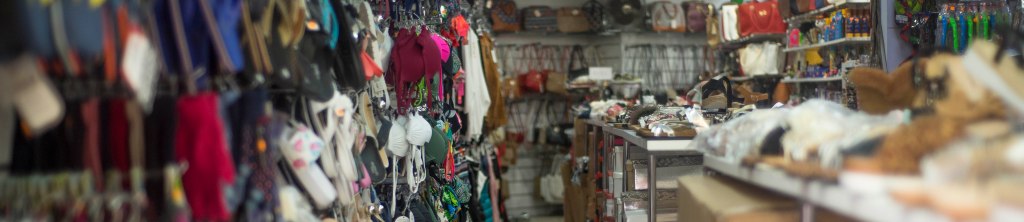
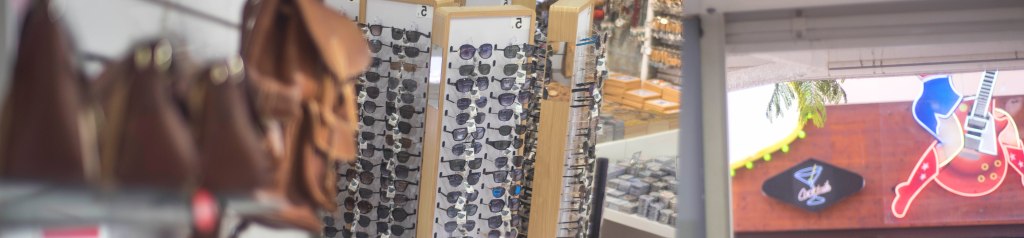
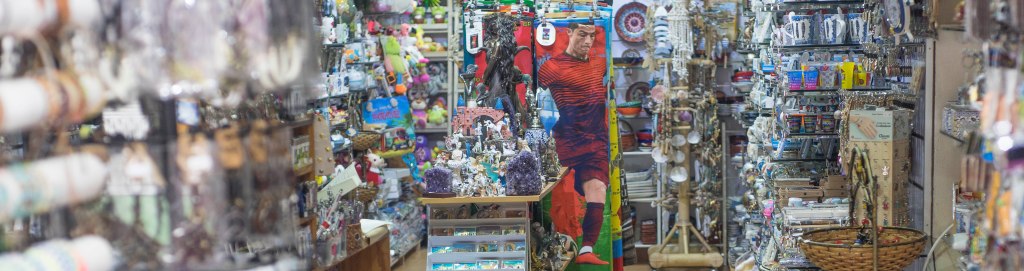
Its a small personal project that i did while i was on vacation in Portugal. The project comments on the abundance of Chinese made goods that supposes to be made by Portuguese.
Visions of the blue collar worker (displayed in Copeland gallery)


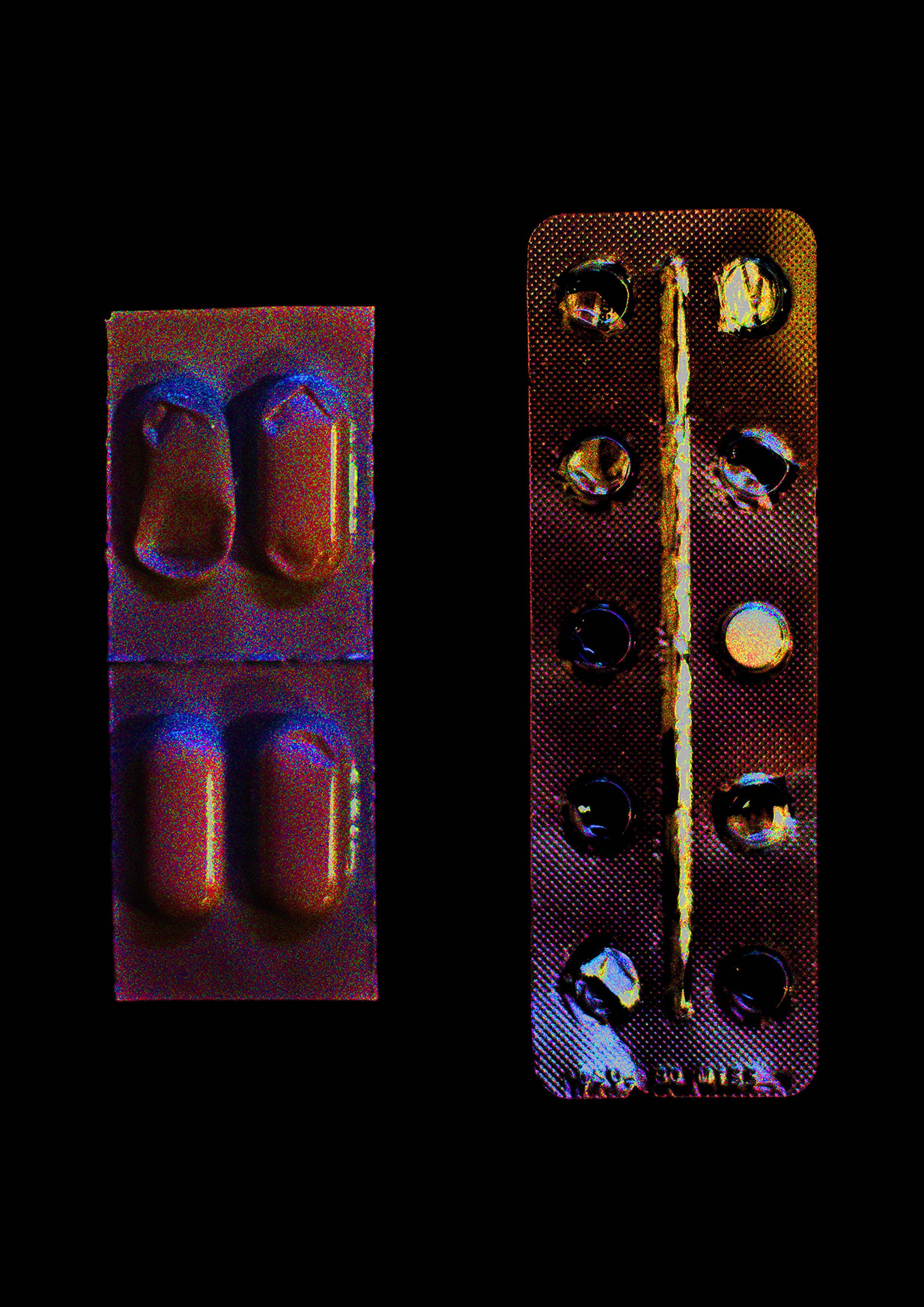
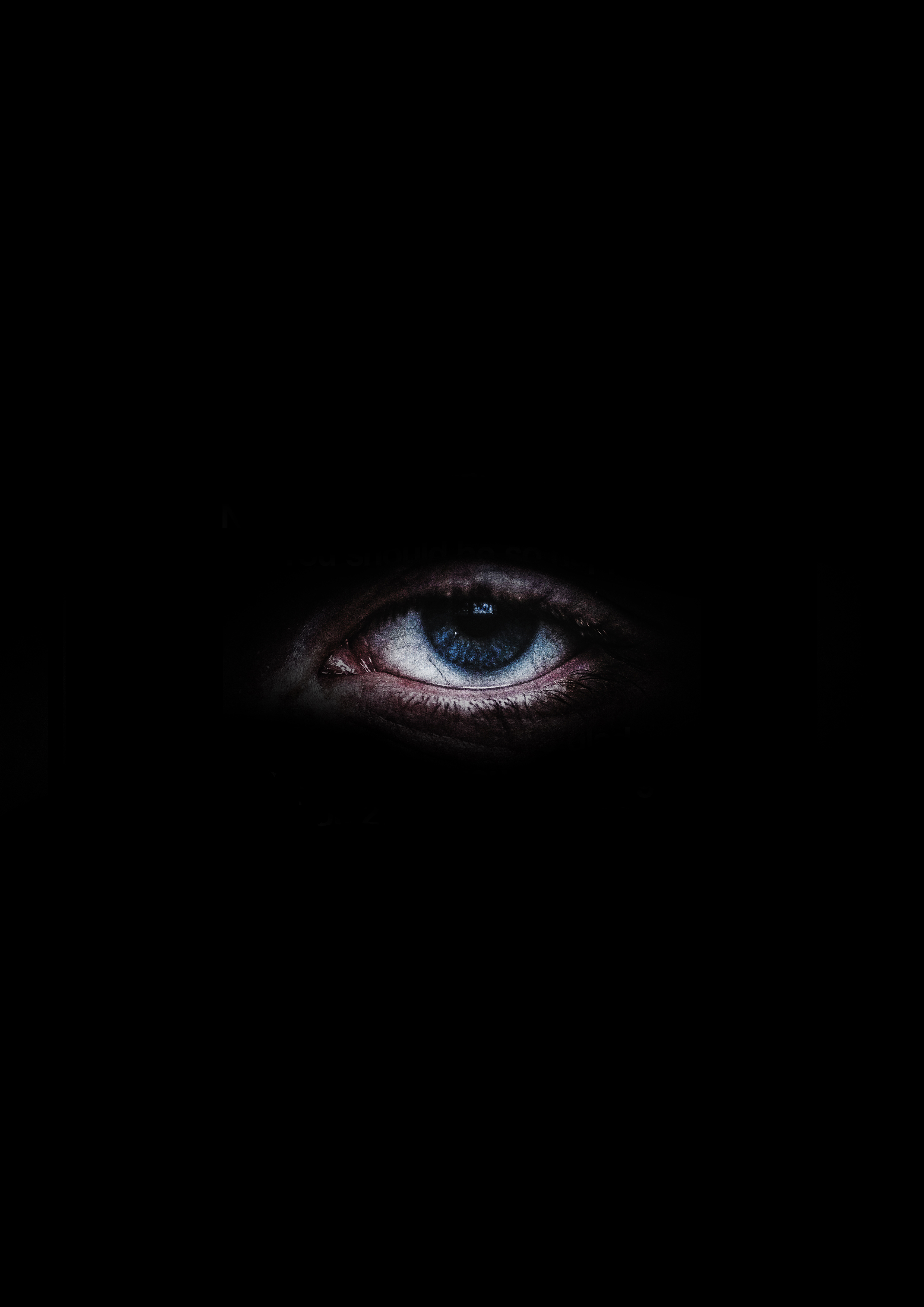


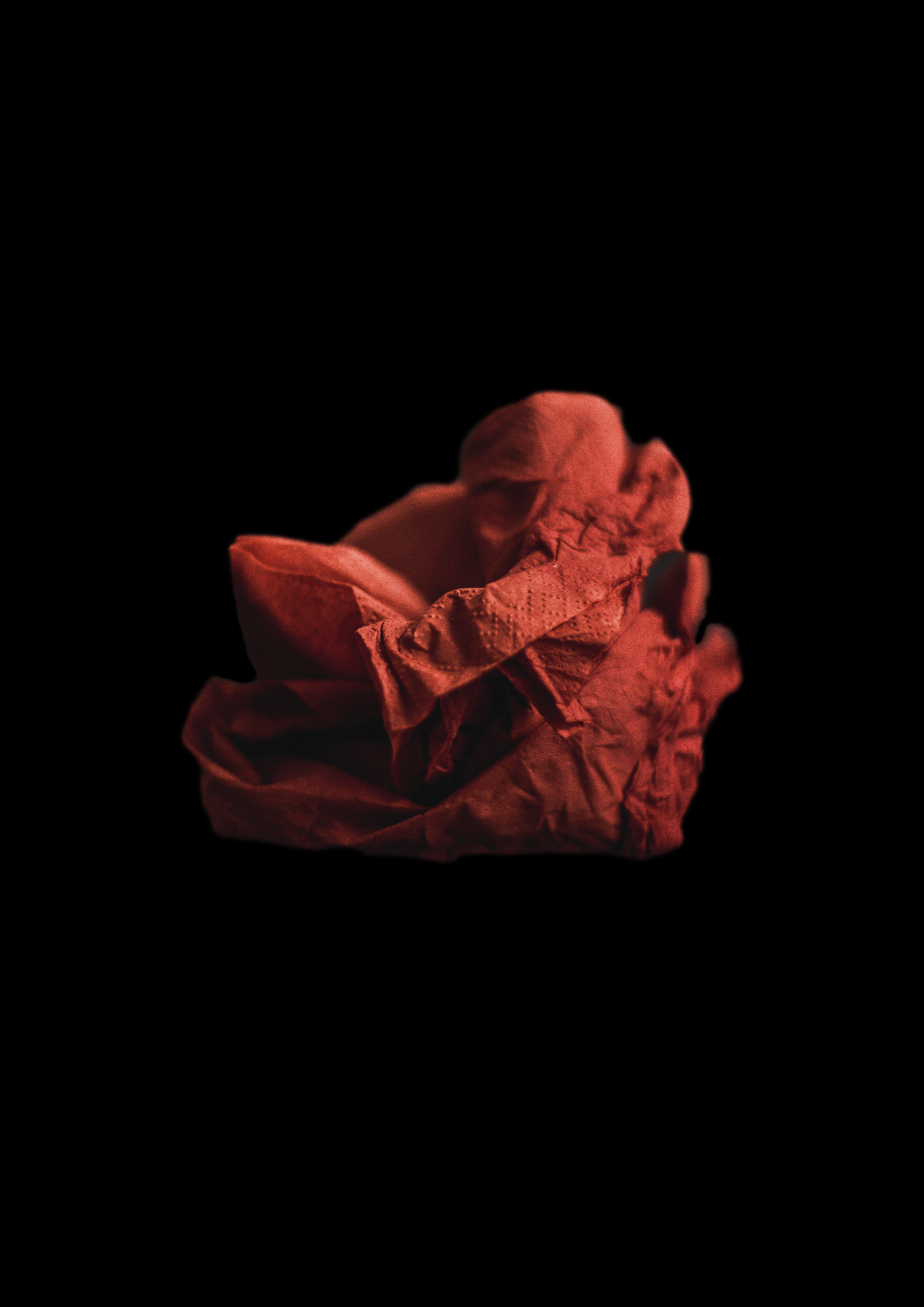

“Visions of the blue collar worker” is a personal project about the 24 hour work life and how in today’s economy people are over worked and underpaid. These jobs cause isolation and depression which contributes to our dependence on drugs to escape reality. More to be shown at our photography show.
There were people here

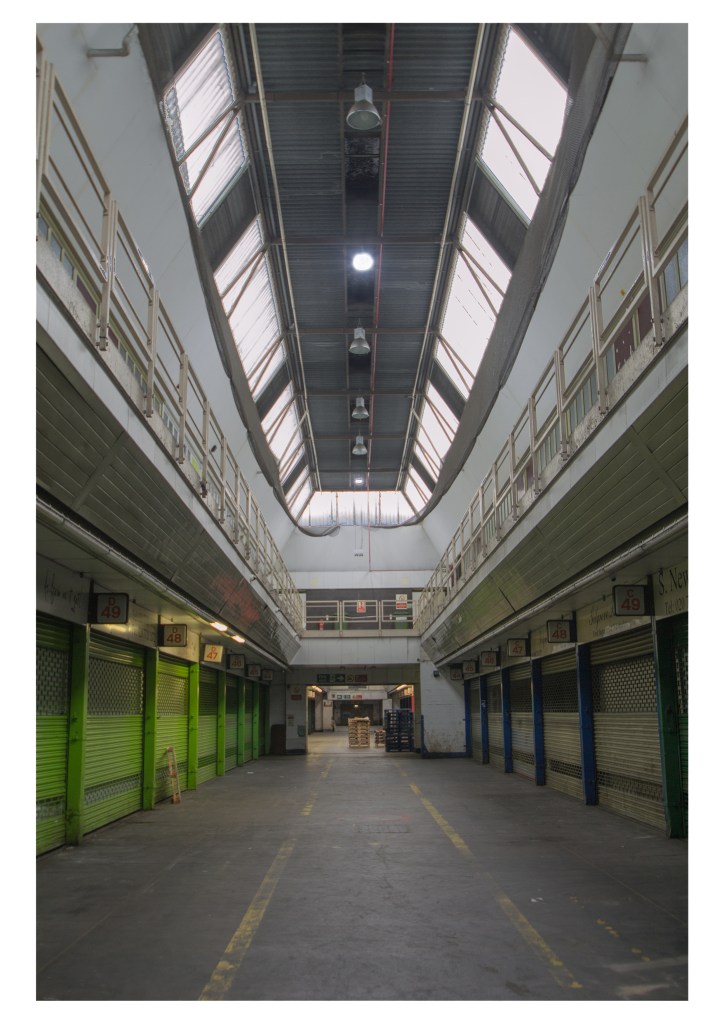
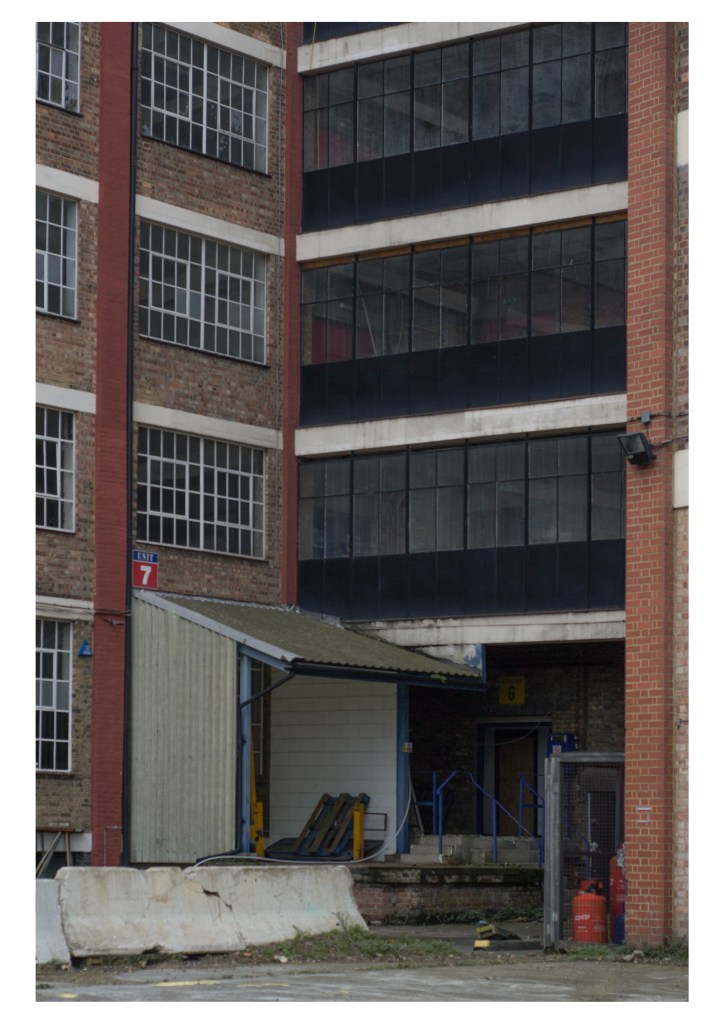
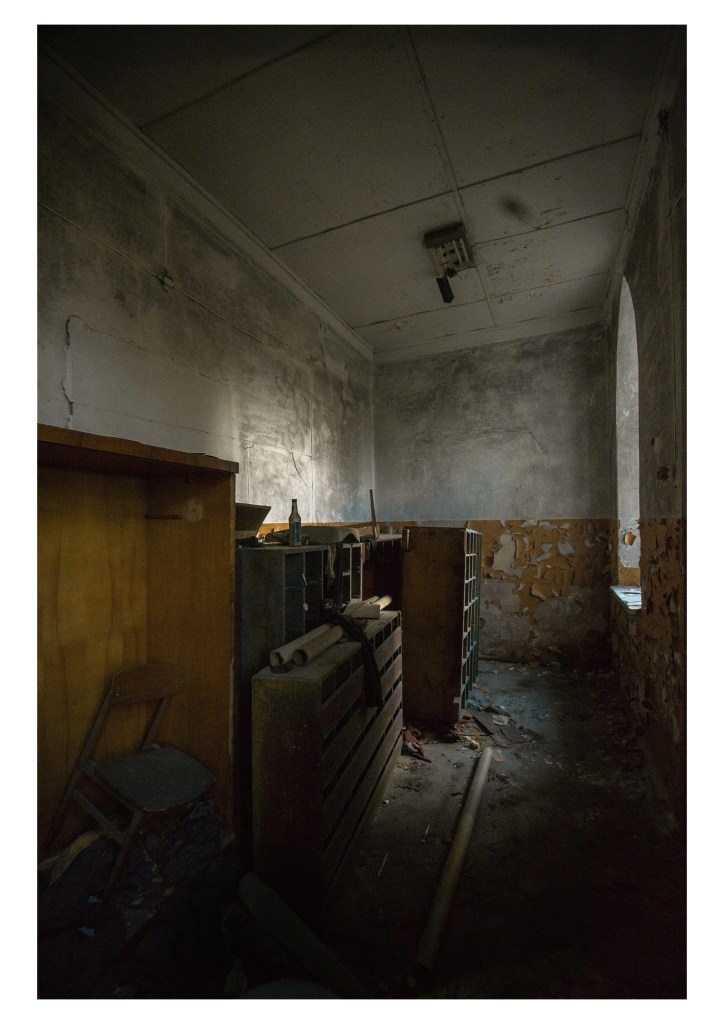
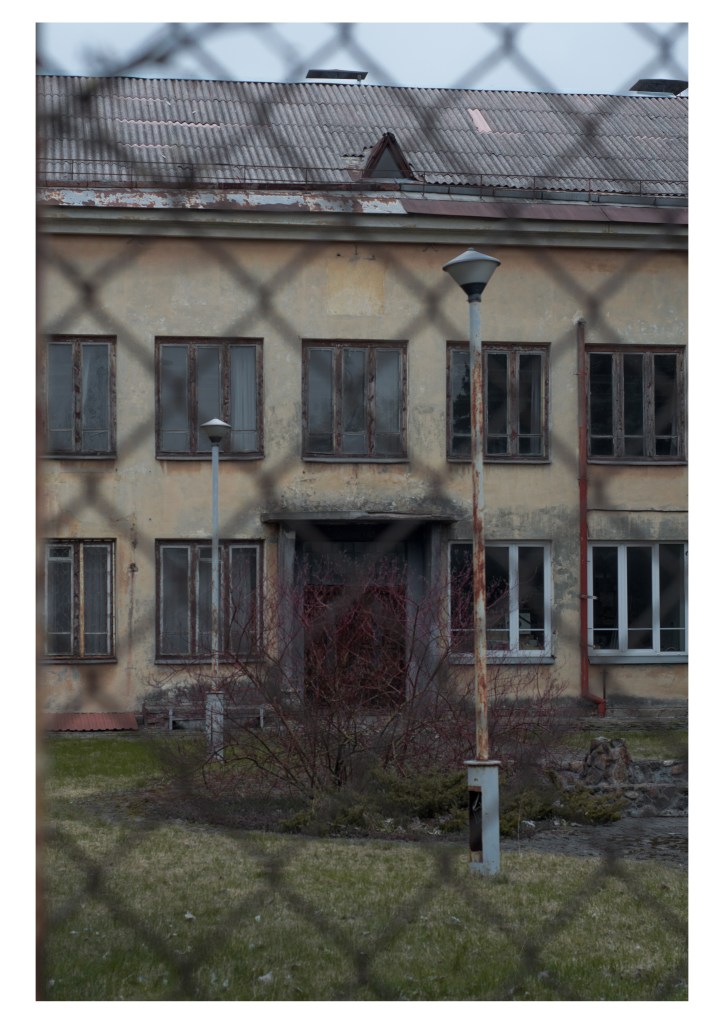
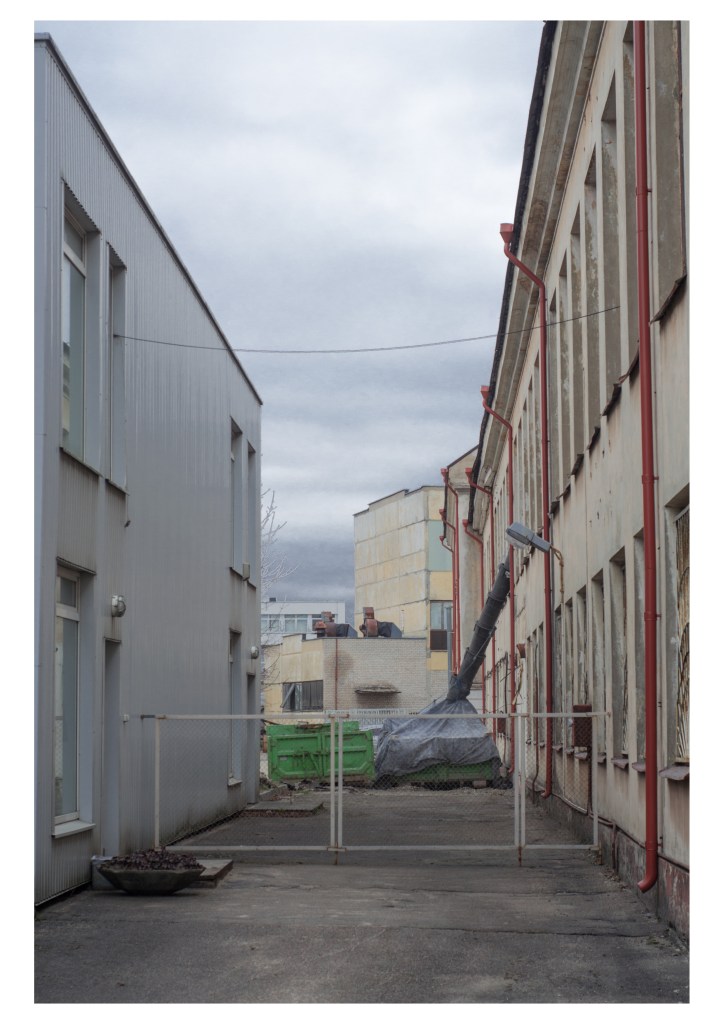

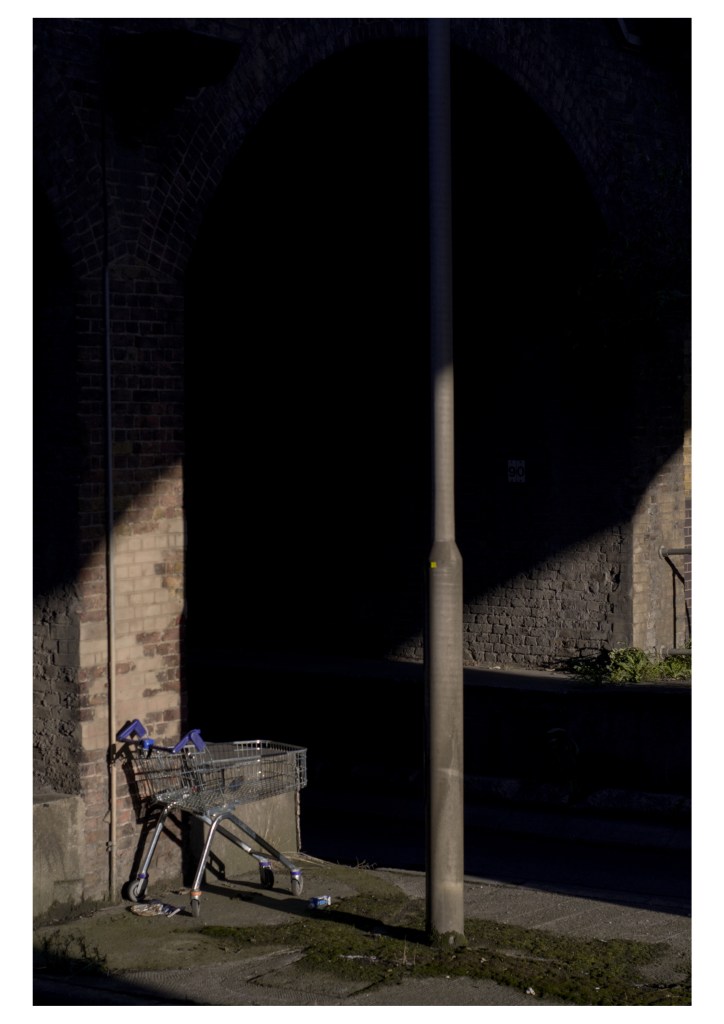
“There were people here” is a project about how space and we affect it, how we leave marks that indicate that we were here. The idea came from one of my favorite activities, urban exploration. During urban exploration I tend to explore abandoned buildings: houses, factories and etc. When I try to photograph abandoned places I tend to show how the area has decayed and try to well a story, examine the past of the area.
Watched
Disassociated
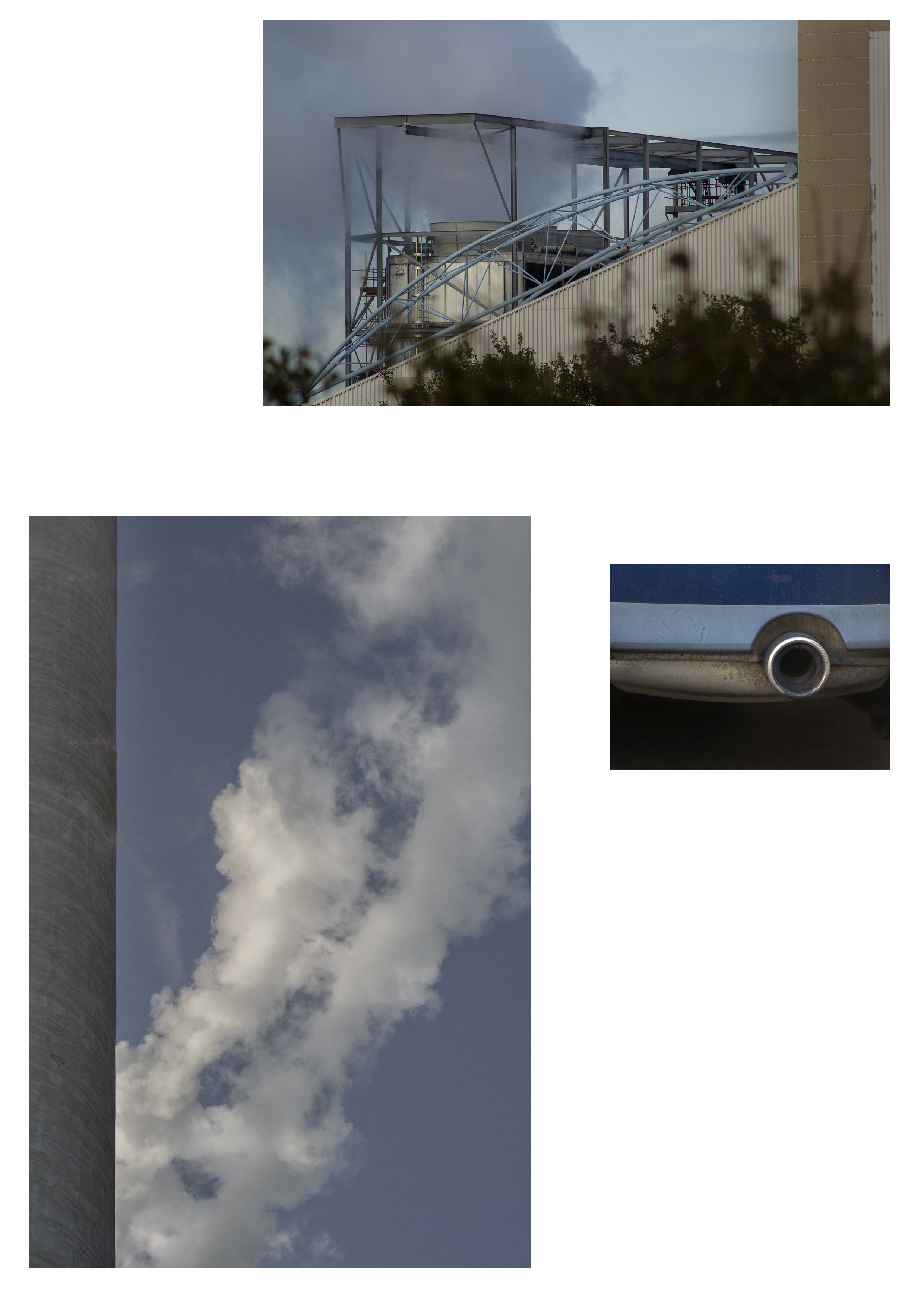
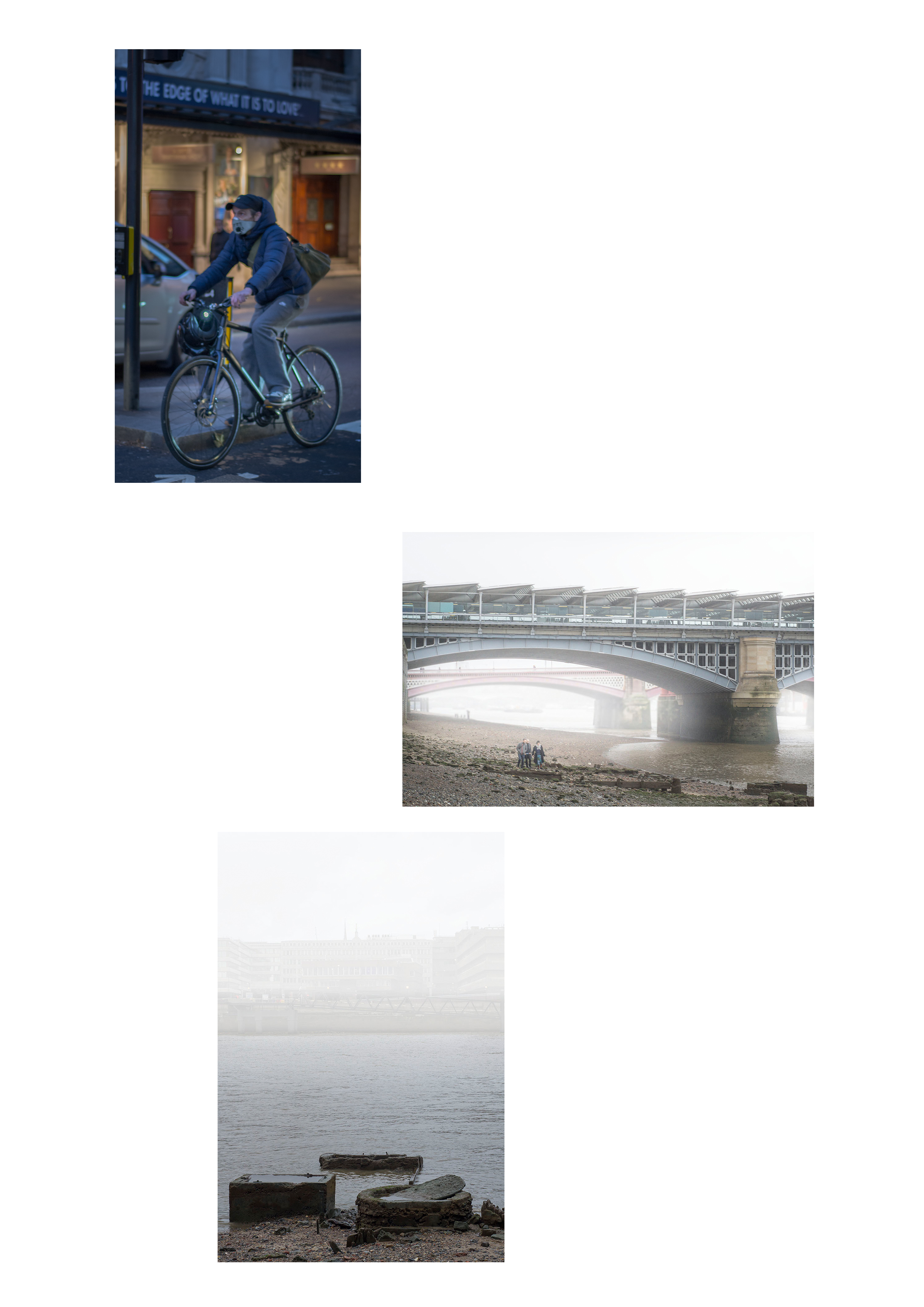
Air waste (displayed in London Borough road gallery)


 kajuskerusauskas.com